Unlocking the Potential of Sustainable Palm Oil: A Call to Action by Deepak Pareek
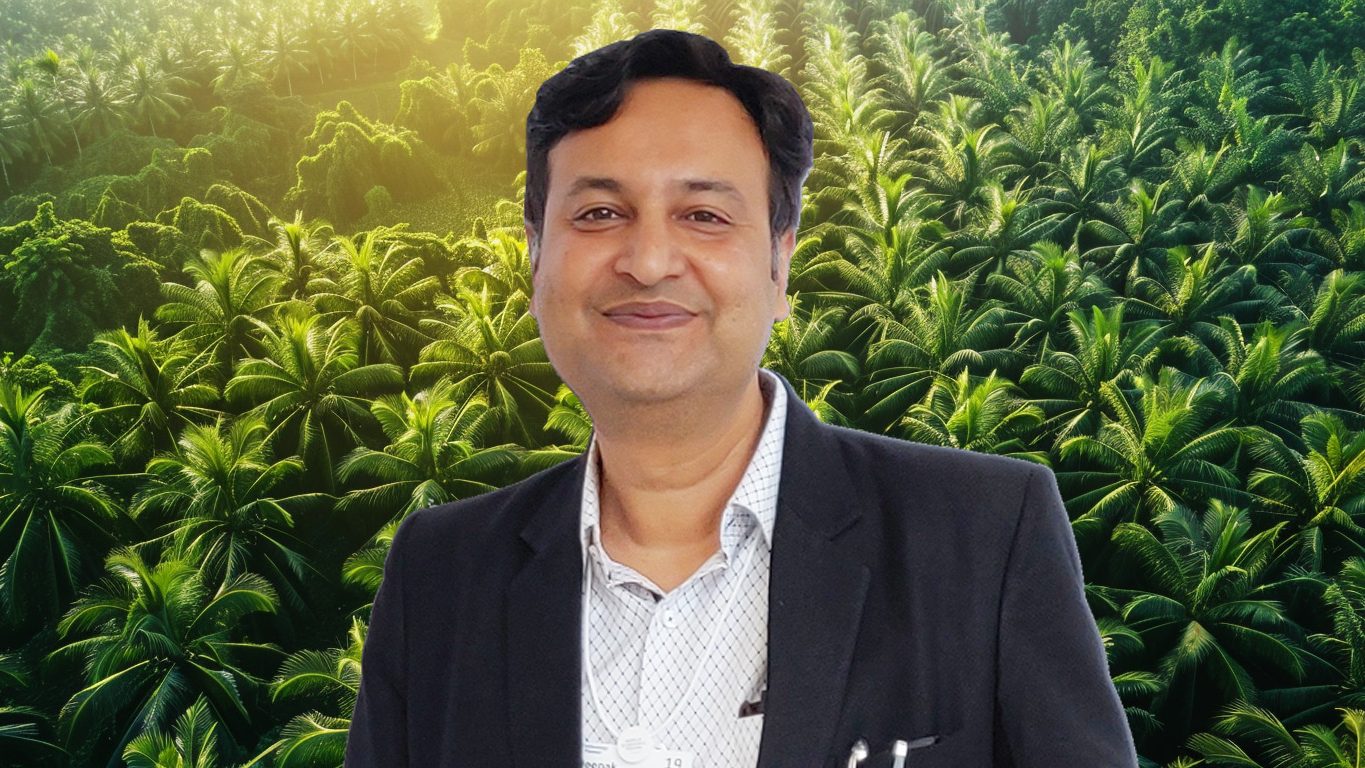
Welcome to Globoil Post, the forefront of edible oil industry insights and a pivotal player in the agri-trade ecosystem. Today, we delve into an issue that has sparked global debate and necessitates urgent action: the environmental and social impacts of palm oil production. Leading our exploration is Deepak Pareek, an acclaimed technocrat recognized for his groundbreaking contributions to agriculture and food technology. Honored as a Top 10 Agropreneur by Future Agro Challenge in Greece, a Technology Pioneer by the World Economic Forum in Switzerland, and a Top 10 Social Entrepreneur by UNDP in Geneva, Pareek's insights into the palm oil dilemma are invaluable.
As a beacon of knowledge in the edible oil sector, Globoil Post is dedicated to shedding light on the pressing issues that face our industry today. In this article, we aim to unravel the complexities of palm oil production, highlighting both its undeniable benefits and the significant environmental challenges it poses. With Pareek's expertise, we explore sustainable solutions and innovative technologies that promise a more eco-friendly future for palm oil. Join us on this enlightening journey, as we navigate the path towards sustainability and ethical responsibility in the palm oil industry.
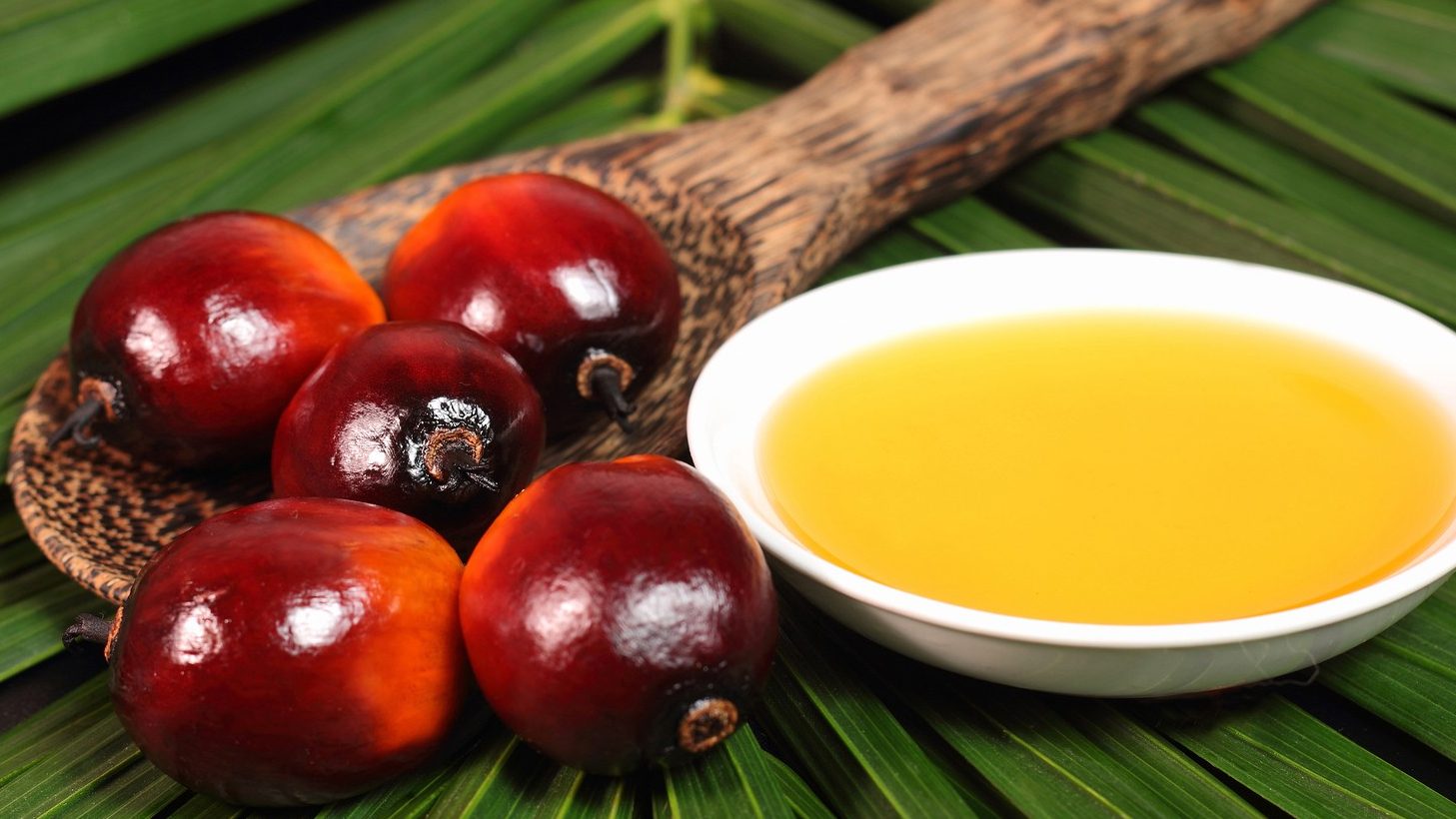
Palm oil, the versatile vegetable oil derived from the fruits of the oil palm tree, has permeated every aspect of our daily lives. It's a ubiquitous ingredient in our food, cosmetics, soaps, and even biofuels. However, while palm oil remains an essential economic resource for millions, it is not without its well-deserved criticisms, primarily concerning its environmental impact.
The popularity of palm oil has come at a substantial environmental cost. Unsustainable production practices have given rise to deforestation, biodiversity loss, and greenhouse gas emissions, all of which contribute to the urgent issue of global warming.
The Dark Side of Palm Oil Production
The palm oil industry, centred in Southeast Asia and West Africa, faces serious criticisms due to its environmental and social impacts. It's a leading cause of deforestation, contributing to significant biodiversity loss and greenhouse gas emissions, particularly through the destruction of peatlands. Additionally, the industry is marred by human rights issues, including labour exploitation and displacement of indigenous peoples. These practices pose both ecological and economic risks, highlighting the urgent need for sustainable and ethical approaches in palm oil production.
-
Deforestation: The expansion of palm oil plantations often involves the ruthless clearing of tropical rainforests. This destruction not only devastates vital ecosystems but also displaces indigenous communities. Moreover, deforestation releases enormous amounts of stored carbon dioxide into the atmosphere, further accelerating global warming.
-
Biodiversity Loss: Rainforests house an astounding variety of plant and animal species. Unfortunately, deforestation for palm oil production fragments and obliterates these habitats, leading to species extinction and ecological imbalance.
-
**Greenhouse Gas Emissions: **Palm oil production, particularly through slash-and-burn practices, emits significant quantities of methane and carbon dioxide into the atmosphere. These greenhouse gases trap heat, contributing significantly to the alarming rise in global temperatures.
Sustainable Palm Oil: A Beacon of Hope
The good news is that a movement toward sustainable palm oil production is gaining momentum. This approach seeks to minimize the adverse environmental and social impacts of the industry while ensuring its economic viability. Key principles of sustainable palm oil production include:
-
Zero deforestation: Protecting existing forests and choosing degraded land for oil palm cultivation instead of clearing natural ecosystems.
-
High Conservation Value (HCV) forest protection: Identifying and safeguarding areas of critical environmental importance within palm oil concessions.
-
Respect for local communities: Engaging with and respecting the rights of indigenous and local communities affected by palm oil production.
-
Improved yield and efficiency: Optimizing agricultural practices to increase oil palm yields and minimize land use.
-
Transparency and traceability: Ensuring transparency throughout the supply chain to track the origin of palm oil and verify its sustainability.
The Impact of Sustainable Palm Oil on Climate Change
Through the adoption of sustainable practices, the palm oil industry can play a pivotal role in mitigating climate change. Here's how:
-
Reduced deforestation: Protecting forests prevents the release of stored carbon and helps regulate global temperatures.
-
Enhanced carbon sequestration: Sustainable palm oil plantations can act as carbon sinks, absorbing carbon dioxide from the atmosphere and storing it in biomass.
-
Lower greenhouse gas emissions: Improved agricultural practices and efficient processing methods can significantly reduce greenhouse gas emissions associated with palm oil production.
Digital Tools: Vital for a Sustainable Palm Future
Amid growing environmental concerns surrounding palm oil, a glimmer of hope emerges: digital technology.
-
Precision Agriculture: Satellite imagery and drones monitor plantations with incredible precision. They assess tree health, detect nutrient deficiencies, and pinpoint areas requiring attention. This data empowers farmers to optimize fertilizer and water usage, reducing environmental impact and increasing yields.
-
AI-powered Disease and Pest Control: Artificial intelligence analyzes vast datasets to predict outbreaks and identify potential threats. Early detection allows for targeted interventions, reducing reliance on harmful pesticides and safeguarding biodiversity.
-
Blockchain for Transparency and Traceability: Blockchain technology offers an immutable record of the palm oil journey, allowing consumers to track the origin of their products. This transparency encourages responsible choices and pressures unsustainable practices.
-
Smart Irrigation Systems: Sensor-driven irrigation systems monitor soil moisture levels and deliver water precisely where and when needed. This minimizes water waste, especially critical in water-scarce regions, while optimizing resource utilization.
-
Digital Platforms for Farmer Empowerment: Mobile apps and online platforms connect farmers with vital information, best practices, and market access. This empowers them to make informed decisions, improve sustainability practices, and secure fair prices for their produce.
Biotech: Paving the Way for Greener Growth
Biotechnology is emerging as a powerful ally in the quest to make palm oil production sustainable. Scientific advancements are transforming palm oil into a force for good.
-
Genetically Modified for Sustainability: Imagine palm trees engineered to be disease-resistant or produce higher yields with less land and water. Genetic modification (GM) holds this promise. By tweaking specific genes, scientists can create trees that require fewer pesticides, fertilizers, and resources. This translates to less deforestation, lower greenhouse gas emissions, and improved soil health.
-
CRISPR-Cas9: Editing the Future of Palm Oil for Sustainability. As the palm oil industry pivots toward sustainability, CRISPR-Cas9 technology emerges as a powerful tool in this transformation. This game-changing biotechnology can reshape palm oil into a sustainable commodity with a reduced environmental footprint. While CRISPR-Cas9 holds immense potential, its application in the palm oil industry necessitates careful consideration. Concerns over public perception, regulatory hurdles, and potential unforeseen consequences must be addressed thoughtfully. Nevertheless, CRISPR-Cas9 presents a powerful tool for revolutionizing palm oil production towards sustainability.
-
Microbes: Nature's Tiny Titans: Soil teems with microscopic life, and some microbes hold the key to sustainable palm farming. Rhizobacteria can fix nitrogen, reducing reliance on synthetic fertilizers. Others suppress harmful soilborne pathogens, eliminating the need for chemical pesticides. By harnessing these natural allies, we can nurture healthy palm groves while minimizing environmental impact.
-
Biofertilizers and Biostimulants: These eco-friendly alternatives, derived from beneficial microbes and natural compounds, enhance soil fertility, improve nutrient uptake, and promote plant growth. They also boost resistance to stress, replacing harmful chemical concoctions.
-
Bioremediation: Unsustainable practices have left a legacy of contaminated soil and polluted water. Bioremediation offers a green solution, using specialized microbes to clean up contaminated sites, restore soil health, and ensure the long-term sustainability of palm cultivation.
A Sustainable Future for Palm Oil is Possible
The challenges posed by unsustainable palm oil production are formidable, but the potential for a more sustainable future is immense. By embracing sustainable practices, the palm oil industry can contribute to mitigating climate change, protecting biodiversity, and ensuring the well-being of local communities. Working together, we can ensure that palm oil remains a valuable resource without compromising the health of our planet.
The Road Ahead: A Collaborative Effort
Transitioning to a fully sustainable palm oil industry requires a concerted effort from various stakeholders:
-
Governments: Implementing policies that incentivize sustainable practices and discourage deforestation.
-
Producers: Adopting and adhering to certified sustainable palm oil standards.
-
Consumers: Choosing products made with certified sustainable palm oil and demanding transparency from manufacturers.
-
Financial institutions: Investing in sustainable palm oil projects and supporting responsible industry practices.
-
Technology Pioneers: Developing scalable technologies that focus on productivity, profitability, and environmental aspects.
The road to sustainable palm oil production is illuminated by digital and biotechnology innovation. By harnessing the power of technology, we can transform this industry into a force for good, protecting our planet while ensuring a secure and equitable future for all. These cutting-edge tools offer us the opportunity to rewrite the narrative of palm oil, transforming it from an environmental villain into a sustainable hero. Remember, a greener future for palm oil is not just possible – it's within our grasp, thanks to the marvels of science.