Global Impact: How Sustainable Palm Oil is Shaping International Trade Practices
Global Impact: How Sustainable Palm Oil is Shaping International Trade Practices
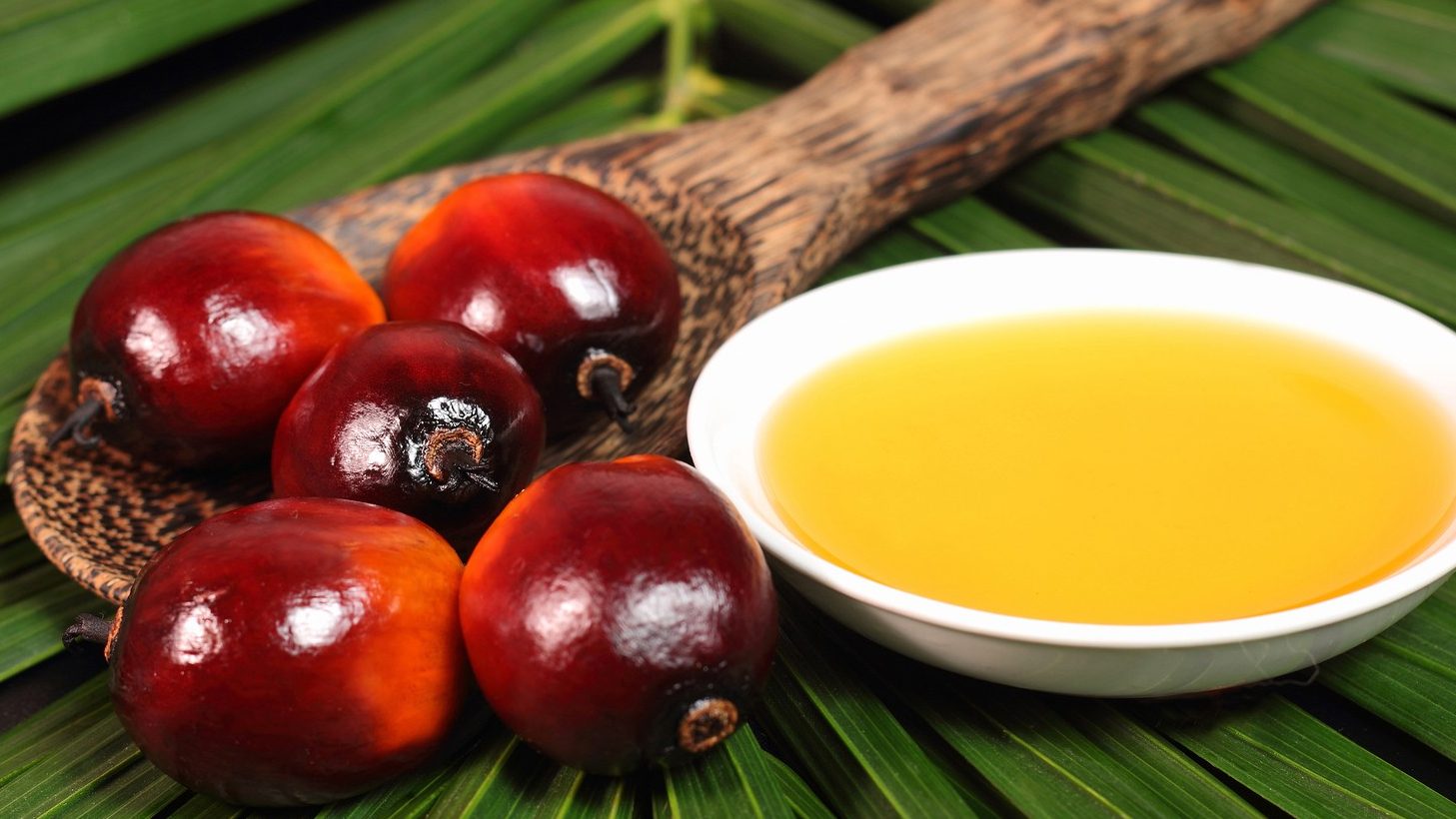
Palm oil, a highly versatile vegetable oil extracted from the fruit of the oil palm tree, has rapidly become one of the most widely used ingredients in the global marketplace. Its applications span across industries – from the food and cosmetic sectors to the biofuel industry – making it a linchpin in global trade. The oil palm tree’s high yield per hectare, combined with its relatively low production costs, has cemented palm oil as the preferred choice for manufacturers and producers worldwide.
However, the rapid and often unchecked expansion of palm oil plantations has come at a significant cost. Widespread deforestation, loss of biodiversity, and human rights violations have cast a shadow over the industry. As concerns around climate change and ethical production practices continue to mount, the palm oil industry has faced increasing pressure to adopt more sustainable and transparent production methods. These efforts to reform the sector have not only had profound implications for the environment and local communities but have also reshaped the contours of global trade.
Th Rise of Sustainable Palm Oil: A Global Imperative
The growing public scrutiny surrounding palm oil production, coupled with regulatory demands and corporate social responsibility (CSR) initiatives, has led to a significant shift in the way palm oil is cultivated and traded. Sustainability initiatives have taken center stage, driven by the need to address the environmental and social costs associated with the industry.
Several certification scheme, most notably the Indonesian Sustainable Palm Oil (ISPO) Industry and Roundtable on Sustainable Palm Oil (RSPO) have emerged as key players in promoting responsible production practices. These certification programs are designed to set rigorous standards that prioritize environmental protection, social welfare, and economic sustainability. Companies that obtain ISPO and RSPO certification must demonstrate adherence to strict guidelines, which include minimizing deforestation, protecting wildlife habitats, ensuring fair labor conditions, and supporting the economic viability of local communities.
The demand for sustainable palm oil has seen substantial growth in recent years. Consumer awareness has been a major driving force, as more people become conscious of the environmental and ethical implications of the products they purchase. Additionally, many multinational corporations have made public commitments to source only sustainably produced oil. As a result, sustainability has become a prerequisite for doing business in the global oil market, further reinforcing the industry’s shift towards responsible practices.
**The Business Case for Sustainability: A Catalyst for Change **
Sustainability in palm oi production is no longer just an environmental or ethical issue; it has become a core business concern. Companies across various sectors, particularly in food and cosmetic, and retail, have recognized the value of incorporating sustainable practices into their supply chains. This shift is not only about corporate social responsibility but also about ensuring long-term viability in a rapidly changing marketplace.
One of the primary reasons behind this shift is the growing consumer demand for transparency and ethical sourced products. According to recent study, a significant proportion of consumers are willing to pay a premium for products that are certified as sustainable. This trend has particularly pronounced in Europe and North America, where consumers are increasingly prioritizing environmental and social considerations in their purchasing decisions. Consequently, brands that fail to embrace sustainable sourcing are at risk of losing market share to more responsible competitors.
Many companies have found that adopting sustainable practices can lead to cost savings and operational efficiencies in the long run. For example, sustainable palm oil plantations tend to have better land management practices, which can lead to higher yields and more efficient use of resources. This not only improves profitability but also reduces the risk of supply chain disruptions caused by environmental degradation or social unrest.
The Impact of Sustainable Palm Oil on International Trade
The transition to sustainable palm oil has had a ripple effect on global trade, with significant implications for both producing and consuming countries. As sustainability becomes a non-negotiable factor in the industry, it has reshaped the competitive landscape, particularly in countries that are major producers of palm oil.
Indonesia and Malaysia, which together accounts for around 85% of global palm oil production, have been at the forefront of efforts to promote sustainable palm oil. Both countries have implemented national policies aimed at encouraging sustainable practices among producers, while also attracting foreign investment from companies looking to source responsibly produced palm oil. These policies have included stricter regulations on deforestation, incentives for sustainable farming practices, and support for certification schemes like ISPO and RSPO.
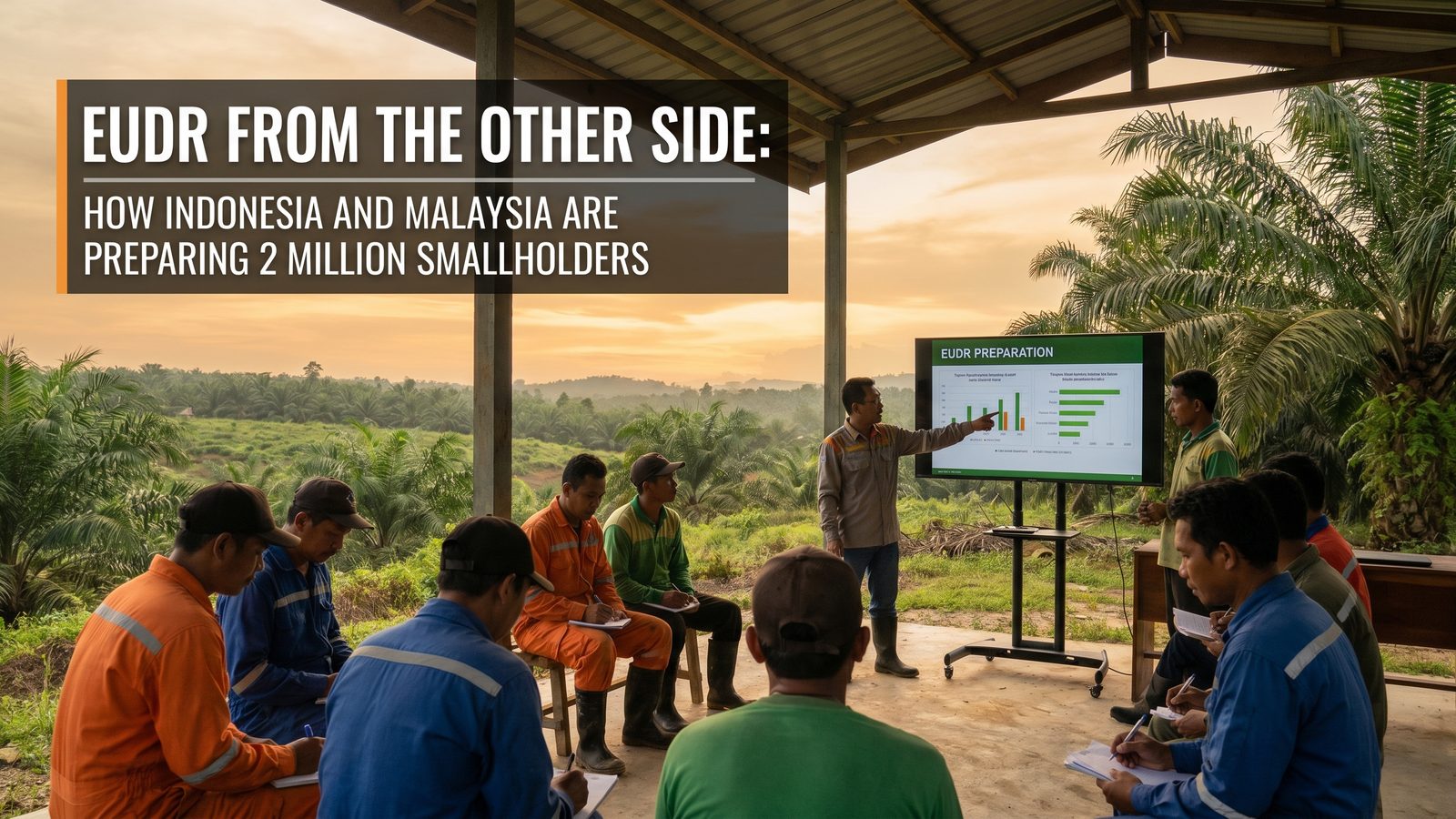
The move towards sustainability has also created new opportunities for smallholder farmers, who play a crucial role in the palm oil supply chain. Traditionally, smallholders have faced numerous challenges, including limited access to resources, poor land management practices, and a lack of technical knowledge. However, the push for sustainability has opened doors for smallholders to participate in more lucrative markets. By adopting sustainable farming practices and obtaining certification, smallholders can improve their productivity, gain access to premium markets, and command higher process for their products.
The shift towards sustainable palm oil has also led to changes in international trade patterns. As more companies and countries commit to sourcing only certified sustainable palm oil, there has been a growing demand for traceability and transparency throughout the supply chain. This has led to increased competition among producing countries as they strive to meet the demand for certified palm oil, while also adhering to stringent sustainability standards.
In addition, the rise of sustainability in the palm oil industry has spurred innovation in supply chain management. Technologies such as blockchain are being explored to ensure the traceability of palm oil from the plantation to the end consumer. Blockchain technology offers a decentralised and transparent way to track the movement of palm oil, reducing the risk of fraud and ensuring that sustainability claims are credible.
Challenges in the Sustainable Palm Oil Transition
While the move towards sustainable palm oil has made significant strides, it is not without challenges. One of the most pressing issues is the complex nature of palm oil supply chains. Palm oil is often processed and traded through multiple intermediaries before reaching final consumer, making it difficult to trace its origin and verify whether it meets sustainable standards. This lack of traceability has led to concerns about the credibility of sustainability claims and the effectiveness of certification schemes.
The high cost of certification can be a barrier for many smallholder farmers, who often lack the financial resources to comply with stringent sustainability standards. Certification not only requires farmers to adopt sustainable practices but also to undergo regular audits and inspections, which can be prohibitively expensive for smallholders. Without adequate support, many smallholders may be excluded from the benefits of the sustainable palm oil market.
Another challenge is the conflicting interests of stakeholders. While environmental groups and consumers push for stricter sustainability standards, producing countries and companies often face pressure to maintain high levels of production to meet global demand. Balancing these competing interests can be difficult, especially in regions where palm oil production is a major source of employment and economic growth.
Addressing the Challenges: Collaborative Solutions and Innovations
To overcome these challenges, various stakeholders, including governments, industry players, and non-governmental organizations (NGOs), are working together to develop innovative solutions. One promising approach is the use of blockchain technology, which can enhance traceability and transparency in palm oil supply chains. By tracking palm oil from the plantation to the final product, blockchain technology can help ensure that sustainability claims are credible and that consumers can make informed choices.
There has been a growing emphasis on capacity building and training for smallholder farmers as well. Organizations such as ISPO, RSPO and various NGOs are investing in training programs that help farmers adopt sustainable practices, improve their productivity, and gain access to certification. These programs provide farmers with the knowledge and tools they need to meet sustainability standards, while also improving their livelihood and contributing to the overall sustainability of the palm oil industry.
**The Road Ahead for Sustainable Palm Oil **
The transition to sustainable palm oil is a complex and ongoing process, but the progress made so far is promising. The industry has taken significant steps to address the environmental and social challenges associated with palm oil production, and the demand for sustainable practices continues to grow.
However, much work remains to be done. Ensuring that sustainability becomes the norm in the palm oil industry will require continued collaboration between governments, industry stakeholders, NGOs, and consumers. By working together, these groups can develop innovation solutions to the challenges that remain, from improving traceability and reducing the cost of certification to supporting smallholder farmers and promoting more sustainable farming practices.
Ultimately, the future of the palm oil industry depends on its ability to balance economic growth with environmental and social responsibility. By embracing sustainability, the industry can not only reduce its negative impact on the planet but also create new opportunities for economic development and improve the livelihoods of millions of people around the world.
In the long term, sustainable palm oil has the potential to reshape global trade and become a model for how industries can evolve to meet the growing demand for ethical and environmentally friendly.