Palm Takes India Back
TL;DR: Palm oil is trading roughly $300 a tonne below sunflower oil and about $100 below soyoil, and Indian importers have been booking 20,000 to 30,000 tonnes a day for the past couple of weeks. Black Sea disruption, a fresh Indian duty cut and bulging Malaysian inventories are all pushing the same way.
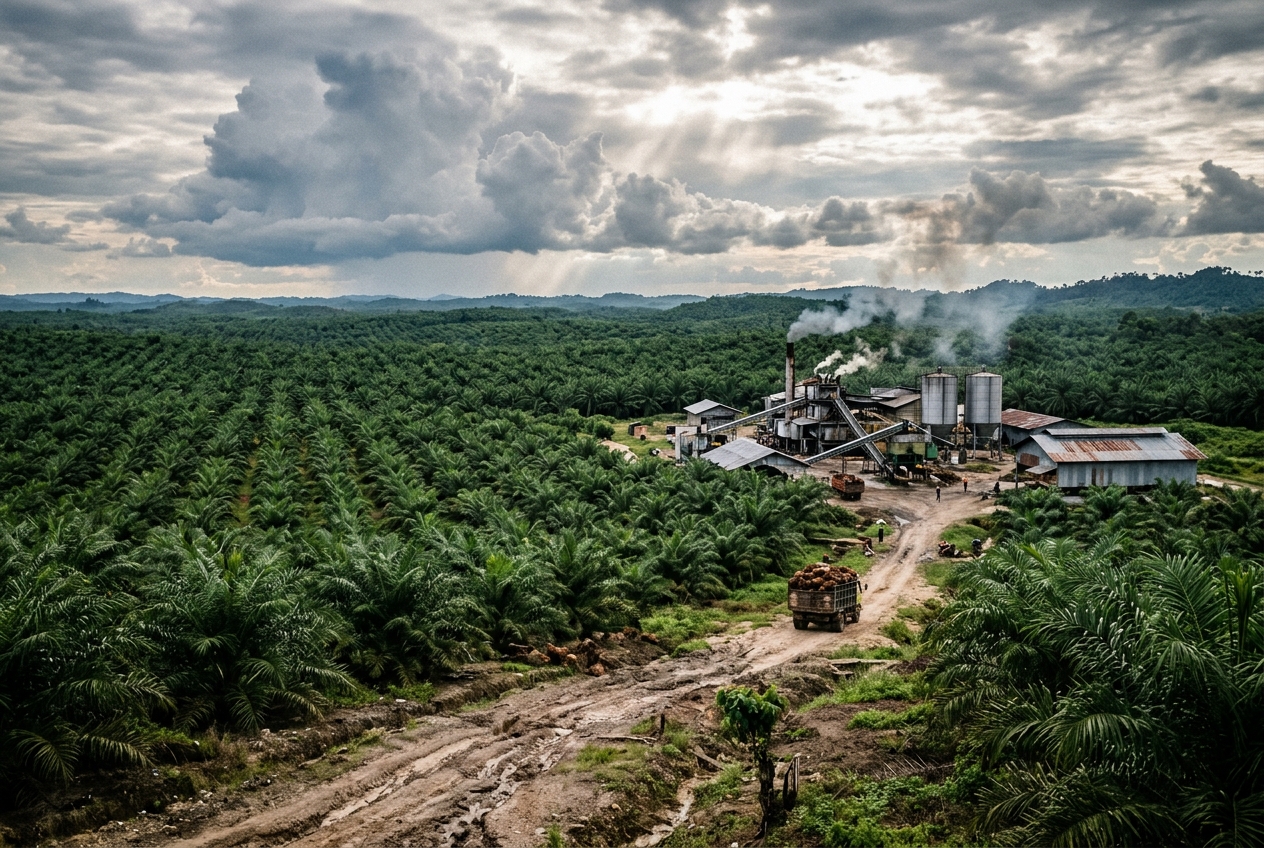
Indian buyers are back in the palm market in size. Traders put recent purchases at 20,000 to 30,000 tonnes a day, and the reason is arithmetic more than sentiment. Palm is about $300 a tonne cheaper than sunflower oil, one of the widest gaps in several years, and roughly $100 under soyoil. Malaysian January futures were steady near RM4,770 a tonne on Thursday, but physical cargoes are being offered at a meaningful discount to that benchmark.
Why the gap opened
Two things happened at once. Attacks in the Black Sea have disrupted sunflower oil shipments out of Ukraine and Russia, and industry analysts have warned that October-to-December flows could fall around one million tonnes short of normal. Sunflower prices rose to reflect that. Palm, meanwhile, is sitting on the largest stockpile Malaysia has ever recorded, so supply is not the constraint. Soyoil's premium over palm has stretched to about $345 a tonne in recent trade, against a typical $287 over the past year.
A wide spread does not by itself move cargoes. It moves them when buyers have a reason to act, and India has two. Edible oil consumption normally climbs 10% to 15% in the run-up to Diwali, so refiners and distributors need product on the water now. And on 24 September New Delhi cut import duties: crude palm and crude soybean oil fell from an effective 16.5% to 11%, and crude sunflower oil from 16.5% to 5.5%. The gap between crude and refined duty stayed at 19.25 percentage points, which keeps domestic refining the preferred route.
The catch for palm
The duty cut helped sunflower oil more than it helped palm. Cutting the effective rate by 11 points on sunflower versus 5.5 on palm gives sunflower a 5.5-point duty advantage at the border. On a cargo valued at $1,200 to $1,350 a tonne, that is worth roughly $65 to $75 a tonne, an illustrative figure rather than a quoted one. Against a $300 price gap it does not close the case for sunflower, but it explains why Indian buyers are not abandoning it altogether, and why they are also looking at soyoil, where palm's edge is the thinner $100.
Freight is the other drag. Ocean rates have risen about $15 to $20 a tonne over the past ten days, which takes a small bite from palm's margin and may widen further if Indian demand keeps pulling vessels toward the Malacca Strait loading ports.
What changes next
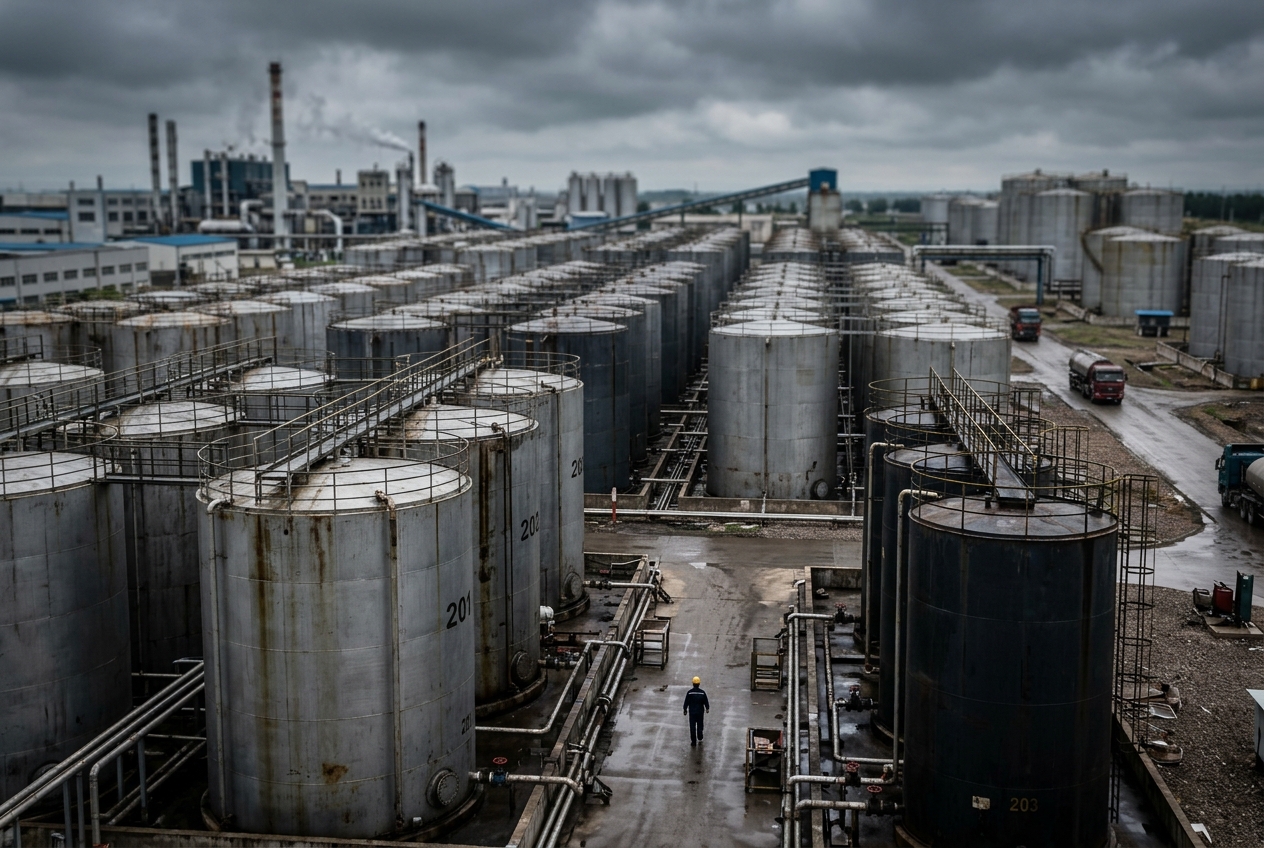
Three developments will decide how long this lasts. First, Indian storage. Traders expect stocks of sunflower and soyoil to start drawing down in six to eight weeks, which would free tank space for more palm and extend the buying into the new year. Second, export taxes. Malaysia is reported to be weighing a temporary waiver of its crude palm oil duty, and Indonesia's levy could ease in November because the reference price feeds into the tax. Indonesia's October settings stand at a reference price of $1,042.15 a tonne, an export duty of $178 and a levy of 12.5% of the reference, or about $130 a tonne. Any cut in those would lower the cost of Indonesian cargoes. Third, weather. Forecasters expect El Niño to tighten palm output next year, which is a reason for some buyers to cover early rather than wait.
There is a limit to how much Indian demand lifts the Malaysian screen. One experienced trader noted that when physical palm can be bought well below futures, strong Indian buying does less for the benchmark than the volume suggests. That is worth remembering when reading the headline price: the discount is where the demand is showing up.
The India read-through
For Indian refiners the practical message is that palm is the cheapest source of volume heading into the festival, and the trade is already acting on it. For retail prices, the cheaper imported oil should help hold the line through Diwali, provided freight does not run away. For sunflower oil exporters on the Black Sea, the risk is losing a large and loyal destination at the moment their own supply is least reliable. Our view, as analysis and not investment advice: palm's share of Indian arrivals should rise through the November-December window, and the price gap is more likely to narrow from the sunflower side than the palm side, because Black Sea prices have more room to ease once logistics settle.
GLOBOIL India 2026
Shifts in India's import mix are exactly what the GLOBOIL India 2026 programme is built to examine. The 29th edition of the world's leading edible oil and agri-trade conference (29 September to 1 October 2026, The Westin Mumbai Powai Lake, Mumbai) brings together the buyers, refiners, origin suppliers and policy voices who decide where India's next million tonnes of oil comes from. If palm, sunflower and soyoil competition for the Indian market is on your desk, that is the room to be in. Visit globoilindia.com.