A Record Stockpile Meets a Biodiesel Floor
TL;DR: Malaysian palm oil stocks rose 24.5% in September to a record 3.5 million tonnes, driven by a 16% output jump and a 12% fall in exports. The industry body expects stocks to start falling in November and prices to hold above RM4,600 a tonne, with Indonesian biodiesel demand acting as a floor.
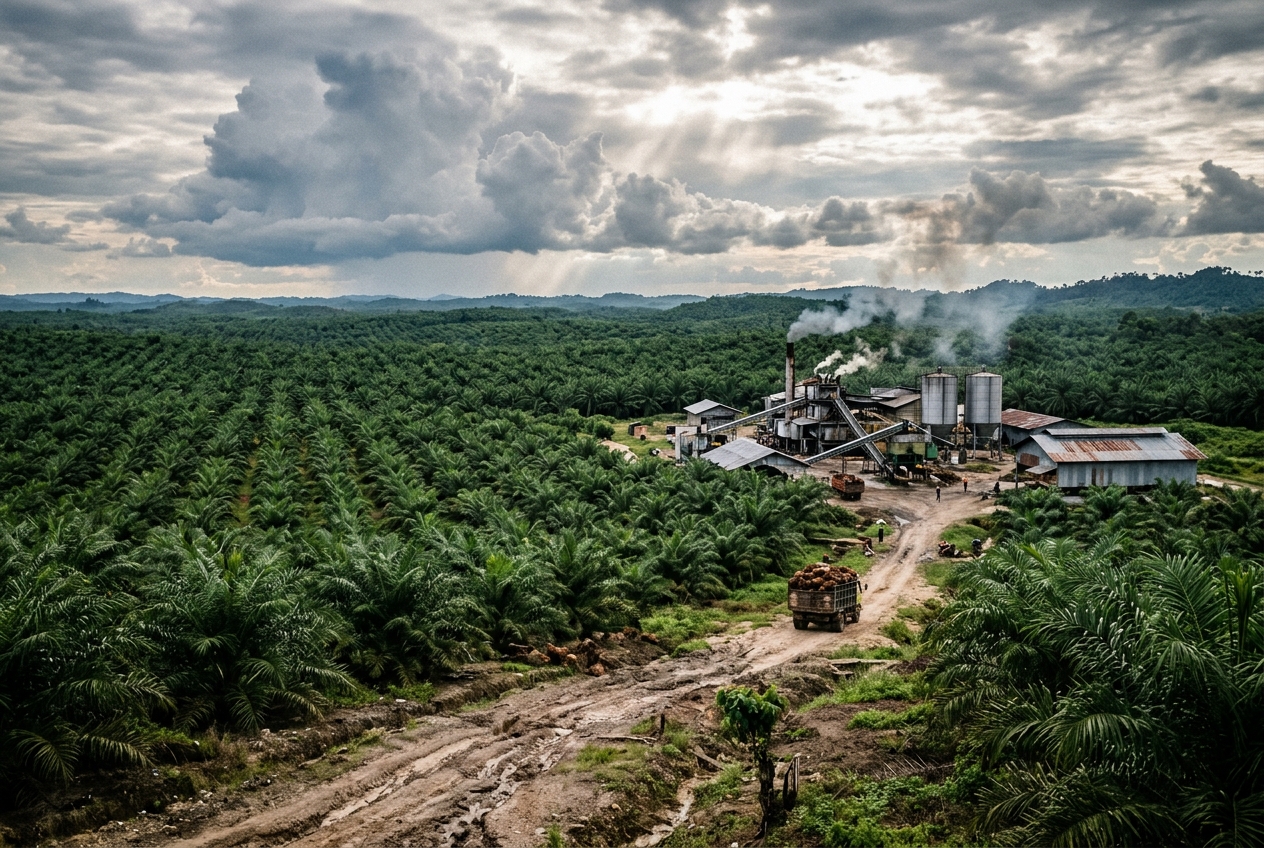
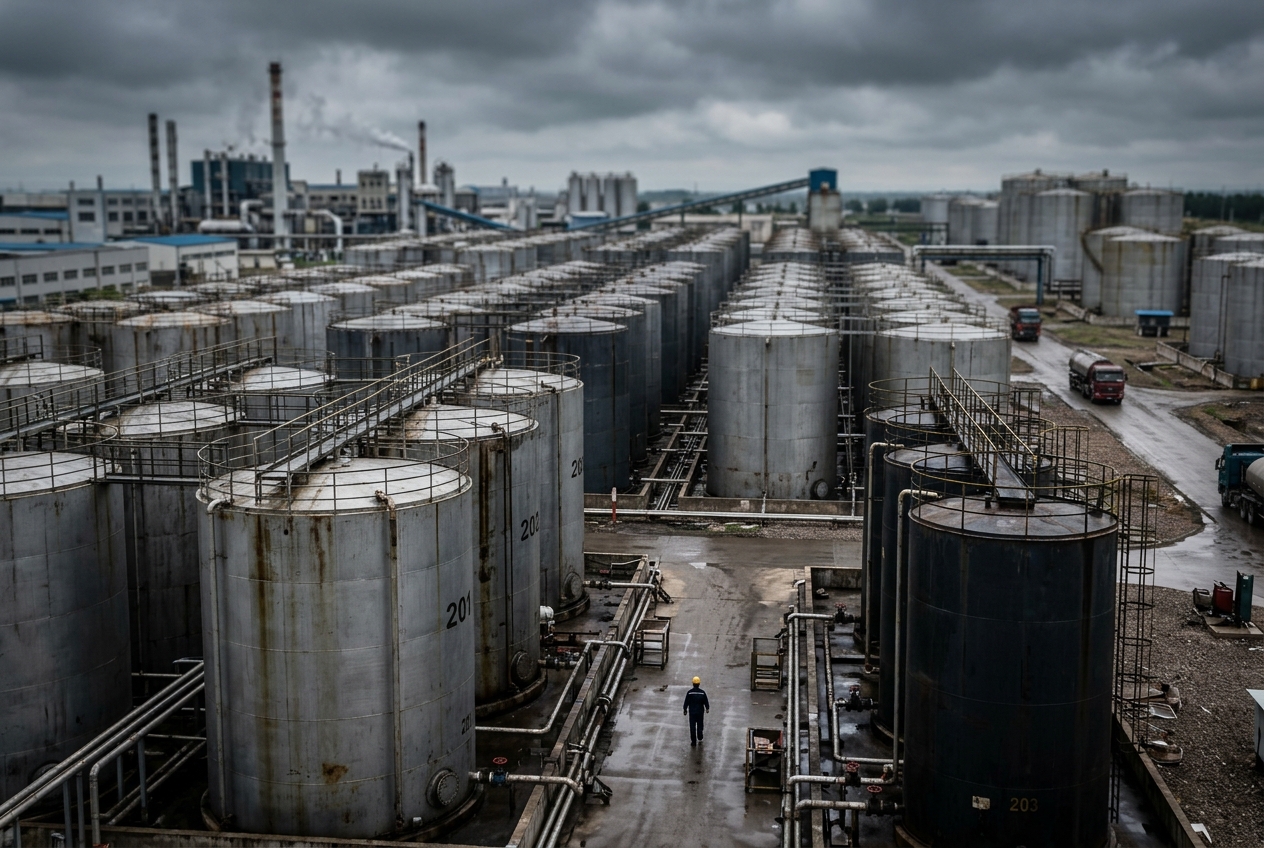
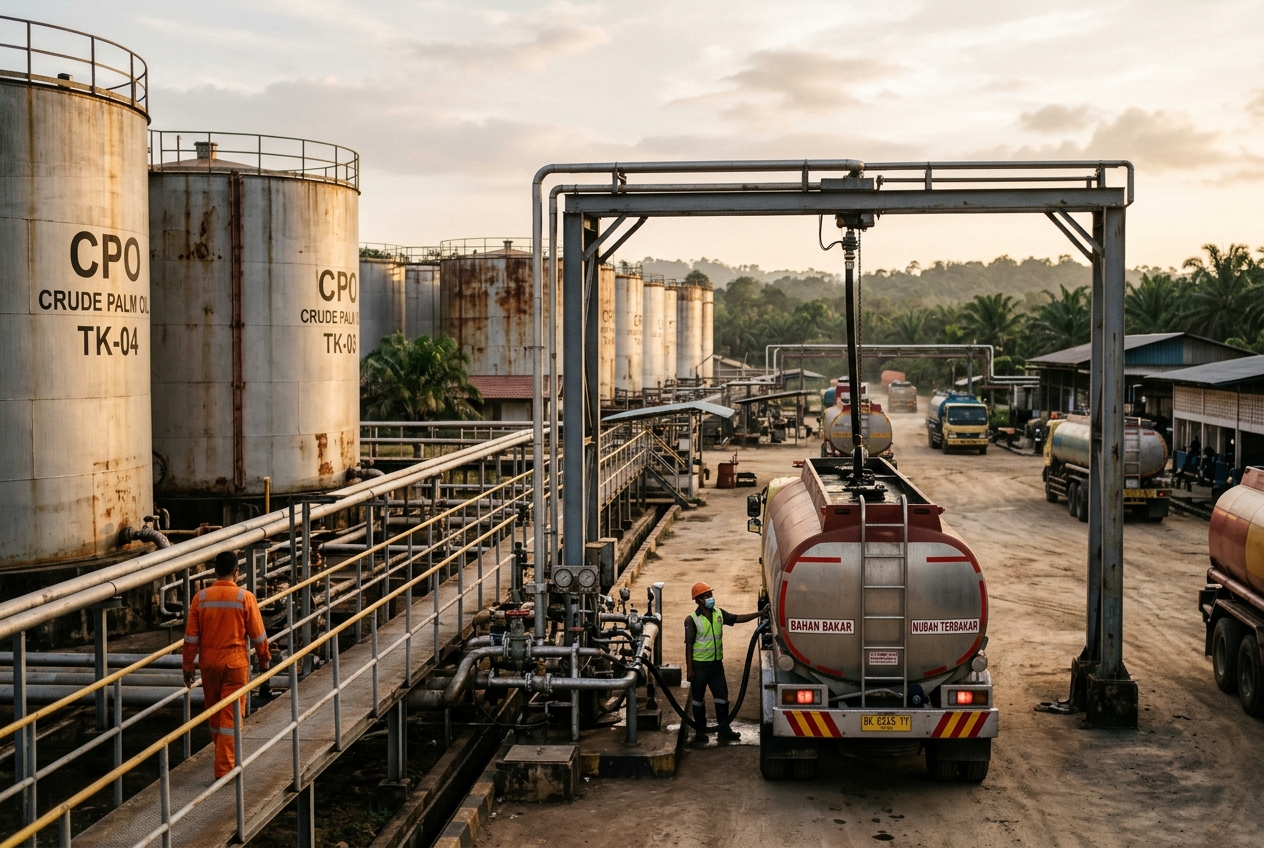
The September numbers from Malaysia read like a warning, and the market has so far treated them as a seasonal blip. Total palm oil stocks climbed 24.5% to 3.5 million tonnes, the largest on record, according to the national board's monthly data. Output was up 16% on the month while exports slipped 12%. Yet Bursa Malaysia futures finished Thursday near RM4,776 a tonne, still about 18% higher than at the start of the year. The question is why prices are holding up against that backdrop.
How September got so heavy
Production is the simple part. Palm output follows a seasonal curve, rising from March and peaking between September and November, and this year the peak arrived on schedule and in force. The weaker side was exports. Indonesian exporters pushed cargoes forward ahead of new rules and a higher export duty that took effect in October, which pulled demand away from Malaysian supply and left Malaysian buyers with less urgency to book. Limited vessel availability in the Strait of Malacca added to the slowdown.
The industry council that tracks the market argues that this weakness is temporary. It expects shipments to rise significantly across October to December, and early trade supports that: Indian, Chinese, European and African buyers have all stepped up purchases this month, and Indian importers have been booking tens of thousands of tonnes a day on the back of a wide discount to sunflower oil.
The biodiesel floor
What keeps a record stockpile from dragging prices lower is demand that does not depend on the food market. Indonesia's palm consumption for biodiesel reached a record monthly high in August. The country made 50% blending mandatory in July, and the energy ministry reported that distribution had reached 75% to 80% of the network by 31 August, with the aim of full availability by 1 October. Jakarta's own projections credit the programme with a large saving in foreign exchange and fuel imports, and that political commitment makes it hard to unwind quickly.
The consequence for the export market is straightforward. Every tonne Indonesia burns at home is a tonne that does not reach the world market, so the effective exportable surplus from the world's largest producer is smaller than headline output suggests. Malaysia's glut therefore sits in a market where its larger neighbour is absorbing more of its own crop each month.
Where the stockpile goes from here
The council expects inventories to begin falling in November and keep falling through February 2027, in line with the usual seasonal decline in production over the next five months. If that holds, the record reading will turn out to be a peak, and the price floor near RM4,600 that analysts are watching should not be tested for long. Two other factors could accelerate the drawdown. Malaysia is reported to be considering a temporary waiver of its crude palm oil export duty, which would make its cargoes more competitive against Indonesia's. And Indonesia's levy may fall in November as a lower reference price reduces what exporters owe.
The risks run both ways. A slower-than-expected export rebound would leave stocks high into the new year and test the seasonal argument. On the other side, forecasters expect El Niño to tighten supply in 2027, which would reward anyone holding inventory through the dry spell. Our reading, offered as analysis and not as investment advice, is that the stock number overstates the weakness in the market: much of it is timing, and the demand base beneath it is firmer than at any point in recent years.
What it means for Indian buyers
Indian importers are the clearest beneficiaries of a heavy Malaysian stockpile. Plentiful supply means Malaysian physical cargoes can be had at discounts to futures, and India's September duty cut lowered the effective rate on crude palm from 16.5% to 11%. The window is open through the festive season. The thing to watch is the November export data: if shipments recover as expected, the discount will begin to narrow, and the cheapest buying will already be behind the trade.
GLOBOIL India 2026
Stock cycles, biodiesel mandates and export duties all feed into the same question for Indian buyers: when to cover and from where. The 29th edition of GLOBOIL India, the world's leading edible oil and agri-trade conference (29 September to 1 October 2026, The Westin Mumbai Powai Lake, Mumbai), is where producers, traders and Indian refiners work through exactly these calls face to face. Visit globoilindia.com.