An In-Depth Conversation with Jeremy Goon on Steering the Edible Oil Industry Towards Sustainability
The Future of Sustainability in the Edible Oil Industry
As a recognized leader in the edible oil industry, how do you foresee sustainable practices playing a pivotal role in shaping the future of the market?
Sustainability has long surpassed its formative years where it was deemed to be a trend and a value-added initiative beyond the usual expectations for the private sector. It has since cemented itself as a key pillar that determines the values and reputation of a company and its operational impact on the environment, society and economy.
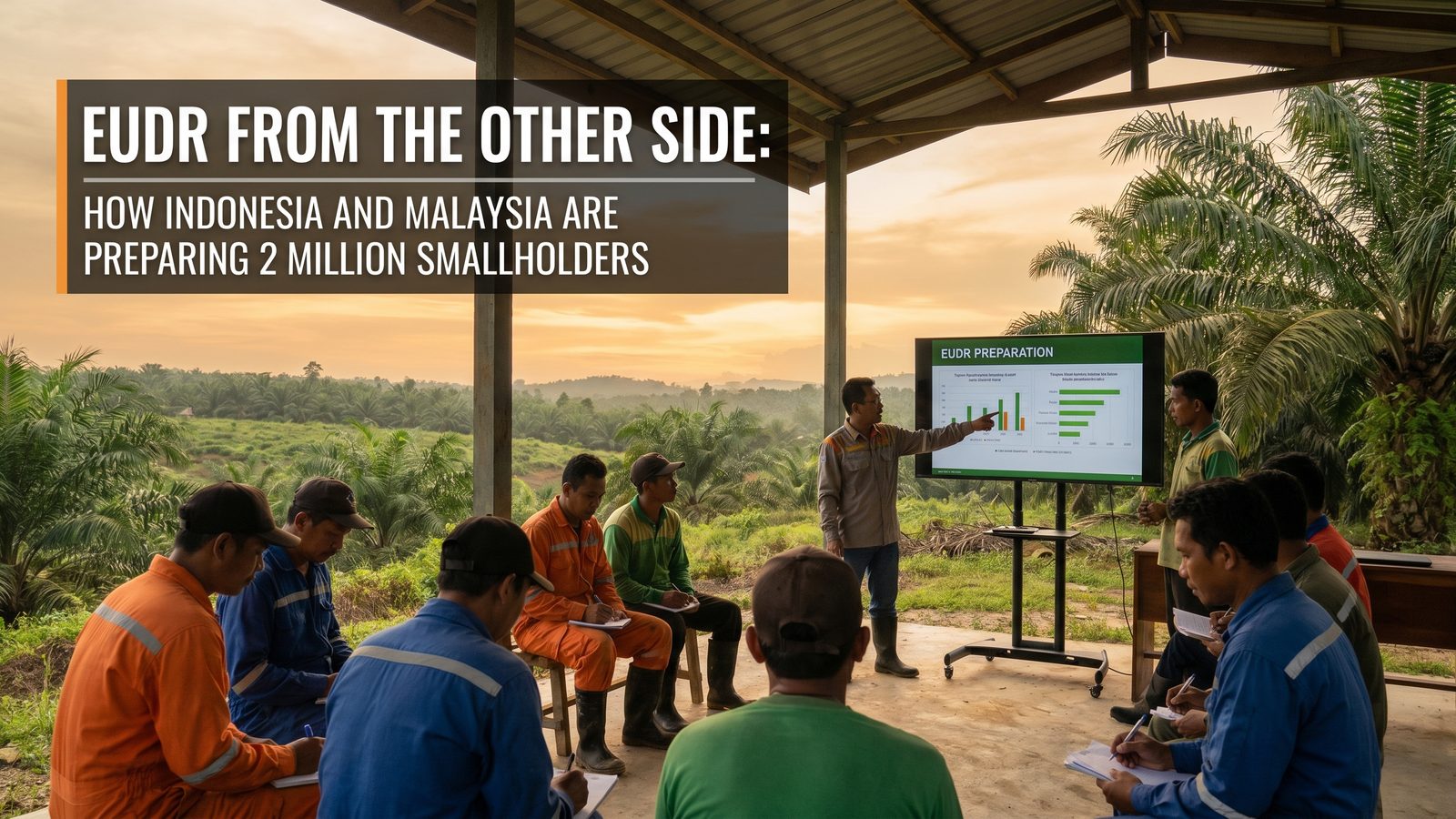
The global marketplace is paying closer attention to this space, with an increasing level of involvement, scrutiny and requisites in an effort to further embrace the sustainability agenda through sustainable production and consumption. This is evident from the recent European Union Deforestation Regulation (EUDR) that mandates extensive due diligence on the value chain of key commodities for operators and traders to curb the impact of deforestation.
Thus, expectations and implementation of sustainability commitments and practices have started to influence and shape markets, including the edible oil industry, in an ongoing and constantly evolving journey. Particularly in the oil palm sector, we have witnessed how the institution and delivery of sustainability commitments has progressed by leaps and bounds. Most companies in the oil palm sector have either committed to a deforestation-free supply chain or established a more robust No Deforestation, No Peat, No Exploitation (NDPE) policy.
A study by Chain Reaction Research found that as of April 2020, 83 percent of the palm oil refining capacity in Indonesia and Malaysia is covered by NDPE commitments. Furthermore, a report by the Global Forest Watch credited NDPE commitments and implementation by companies to be among the primary driving factors for the prominent and continuing downward trend in deforestation attributed to oil palm in both countries, which is currently at a 20-year low.
However, it is pivotal that we continue to identify gaps, areas of improvement and emerging trends as we strive to strengthen our existing efforts. Climate change is one such pressing issue that demands more attention and action, driving a variety of initiatives related to emissions reduction, renewable energy, efficient water management and precision farming, among others. Being at the forefront of sustainability, the edible oils industry has already demonstrated leadership by embarking on these initiatives to ensure it stays ahead of the curve.
Milestones in Responsible Sourcing and Production
Can you share some of the key sustainability initiatives and achievements you have witnessed within the edible oil industry, which are promoting responsible sourcing and production of edible oils?
The edible oil industry, especially the oil palm sector, has made significant strides in the last decade. As mentioned, most companies have policies and commitments to ensure their upstream operations and procurement processes are sustainable.
Wilmar launched its trailblazing NDPE policy in 2013 that encompasses the entire oil palm supply chain including our third-party suppliers. A decade later, similar NDPE principles are widely adopted by our industry peers and have become the norm.
Traceability systems are also being implemented throughout edible oil supply chains to provide transparency on production and sourcing origins, therefore providing markets with the necessary assurances while enabling stakeholders to monitor and make informed decisions based on readily available information.
At Wilmar, our traceability system covers our entire supply chain. Additionally, we leverage satellite imagery to monitor over 23 million hectares of our supply chain, which includes our third-party suppliers at group-level, for deforestation activities and fire alerts.
Separately, an industry-led commitment was announced at COP26 in 2021 to develop a sectoral roadmap for enhanced supply chain action consistent with a 1.5-degree Celsius pathway to reduce emissions caused by land-use change. The roadmaps for the key agriculture commodities were subsequently launched at COP27 in 2022. The Palm Oil Sectoral Roadmap in particular has earned praise from key stakeholders, namely the governments of the UK and US as well as prominent international civil societies.
Complementing industry-led commitments and efforts are recognised certification schemes designed to promote sustainable production and procurement throughout supply chains. The oil palm sector in particular has the Indonesia Sustainable Palm Oil (ISPO) and Malaysian Sustainable Palm Oil (MSPO), which are mandatory national certification schemes in addition to the well-established voluntary certification standards under the Roundtable on Sustainable Palm Oil (RSPO) and International Sustainability and Carbon Certification (ISCC).
Addressing Environmental and Social Challenges
The edible oil sector faces challenges related to deforestation, greenhouse gas emissions, and social impacts. How do you believe the industry can effectively integrate sustainability principles to address these challenges and contribute to positive environmental and social outcomes?
The edible oil industry recognises the concerns related to our environmental and social impacts, and has steered efforts towards developing and implementing sustainability commitments to ensure that the industry can continue to operate and grow in a sustainable and responsible manner. These sustainability policies and initiatives are already deeply embedded in the decision-making process and operational activities of companies. The progress and milestones highlighted above are testaments of positive outcomes from an integrated approach.
Recognizing the common challenges and concerns, stakeholder collaborations across different sectors and along value chains are vital. They create opportunities for constructive dialogues, partnerships and shared solutions on an industry level that address complex sustainability challenges collectively and effectively.