Apical's Sustainable Business Approach for a Greener and More Efficient Tomorrow
Navigating Regional Challenges
*"Could you provide insights on the main differences and challenges you've noticed in the edible oil and agricultural trade industry across Asian, African, and Eastern European markets, drawing from your extensive experience in commodity trading?"*
*The challenges can vary significantly across different markets due to differences in economic development, agricultural practices, consumer preferences, infrastructure, and trade policies. *
For example, Asia has various trade agreements and alliances that impact agricultural and edible oil trade, such as ASEAN and bilateral agreements between countries.
On the other hand, some countries in Africa, like Nigeria and Ghana, have become exporters of palm oil and other edible oils. However, they often face challenges in meeting international quality standards and expanding their market reach.
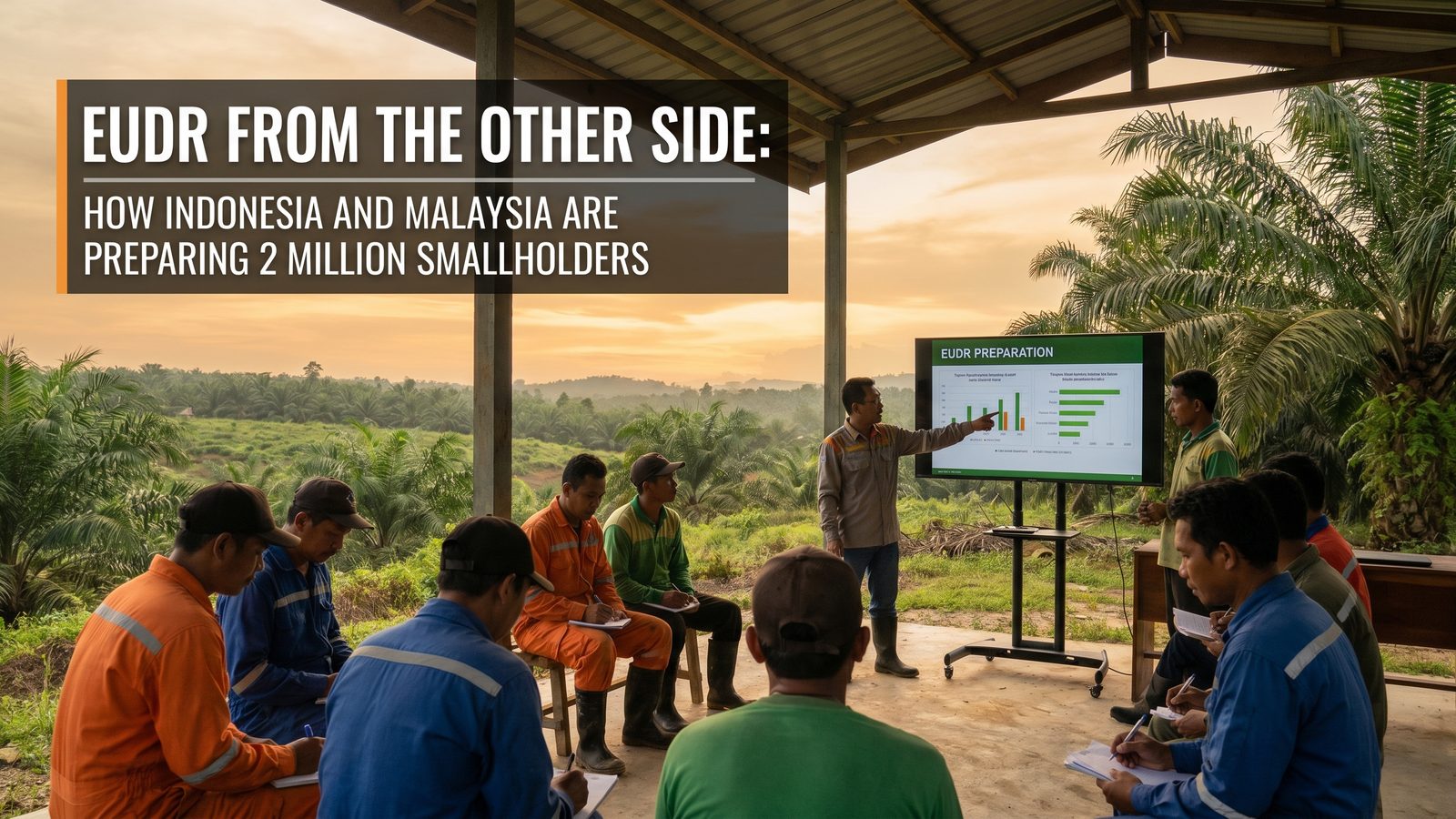
*But one common challenging theme that cuts across these markets is sustainability. There is growing awareness and concerns of the environmental, social and governance impact of edible oils production. While efforts to promote sustainable (deforestation- and exploitation-free) practices have already gained significant traction in the developing countries where most oil crops are grown and produced, the EU, in its strive for deforestation elimination from its supply chains, further intensified its regulations which fail to consider small farm holdings that form the backbone of the edible oils industry especially in Southeast Asia. *
*Apart from that, tariffs, quotas and non-tariff barriers also hinder the smooth flow of goods while contributing to rising costs for traders. *
Innovation & Sustainability in Edible Oils
*"What are your thoughts on the innovative strategies and technologies that will enhance the efficiency and sustainability of the edible oil and agriculture trade industry in the future, given your role as the Executive Director of Apical, a company heavily engaged in the downstream operations of edible oils?"*
Notwithstanding the increasing stricter stainability regulations and demands, I see these challenges as opportunities to*** mitigate ***ESG issues, innovate and future-proof the agri-sector, and where innovative strategies and technologies can come into play.
*With about one-third of all food produced globally being wasted, Apical sees the need for and is striving to drive food circularity and circular economy. Adopting a trash-to-cash strategy as our key approach, Apical utilises waste to generate energy by galvanising our waste and residue supply chain as feedstock for our downstream biodiesel and sustainable aviation fuel businesses. We collect used cooking oil from homes/restaurants which will otherwise be thrown away, recycle them by refining and converting them into 2nd generation biofuels. *
*As the agri-sector progresses to meet the evolving sustainability demands globally, maximising resource efficiency to address waste and landfill challenges, as well as achieve decarbonisation are imperative. *
With traceability as a key enabler of transparency and sustainability, Apical also employs technologies such as blockchain and satellite remote sensing that are aimed at combating deforestation. The use of such technologies can help direct sourcing strategies and improve sourcing practices of companies in the production and distribution of edible oils. As of April 2023, Apical’s traceability-to-plantation rate is at 99.8%, and we are ranked amongst the top three most transparent palm oil company globally in the SPOTT (Sustainable Palm Oil Transparency Toolkit) Assessment.
Apical's Roadmap to Sustainability
*"Given the growing importance of sustainability in the agri trade industry, especially in the production and processing of edible oils, could you discuss some key initiatives and strategies being implemented as part of Apical's Sustainability Roadmap? Additionally, how do you envision the industry as a whole progressing towards its sustainability goals?"*
*To me, business growth and sustainability are two sides of the same coin. As one of the world’s largest vegetable oil processor, Apical not only leads in scale and volume, but can also create a positive impact on the industry’s sustainable development at scale. *
We are committed to achieving this through our Apical2030 vision which is centred on creating a positive social, environmental and business impact. Apical2030 includes 10 time-bound commitments across four strategic pillars: Transformative Partnerships, Climate Action, Green Innovation and Inclusive Progress. And key to its fulfilment is circularity; traceability and supply chain transparency; inclusivity and empowerment of smallholders.
I already mentioned earlier about our strive for circularity through our waste-to-value approach, as well as traceability through integrated use of technologies. The other high-emphasis area for Apical is the well-being of smallholders in its supply chain. Smallholders collectively account for a significant portion (about 40%) of the global palm oil supply. Their contribution is vital not only to vegetable oil processors like us but more importantly to local and national economies, especially in countries where palm oil is a major export commodity. Our flagship smallholder programme “SMILE” or the “SMallholder Inclusion for better Livelihood & Empowerment” aims to help independent oil palm smallholders in Indonesia improve their yields, acquire international certification, and eventually secure premiums from sales of certified palm oil.
As a leading vegetable processor with an expanding global footprint and a strong influence on the supply chain, we recognise the importance of Responsible Leadership. As we grow our business, we will continue to be guided by our 5Cs business philosophy of “Doing Good for the Community, Country, Climate, and Customer – only then, will it be good for the Company”. Our business conduct is motivated by our strong belief that we can help mainstream and make sustainability commonplace in the agri sector, and we are committed to making it a reality.