The Seed Is There. The Oil Isn't.
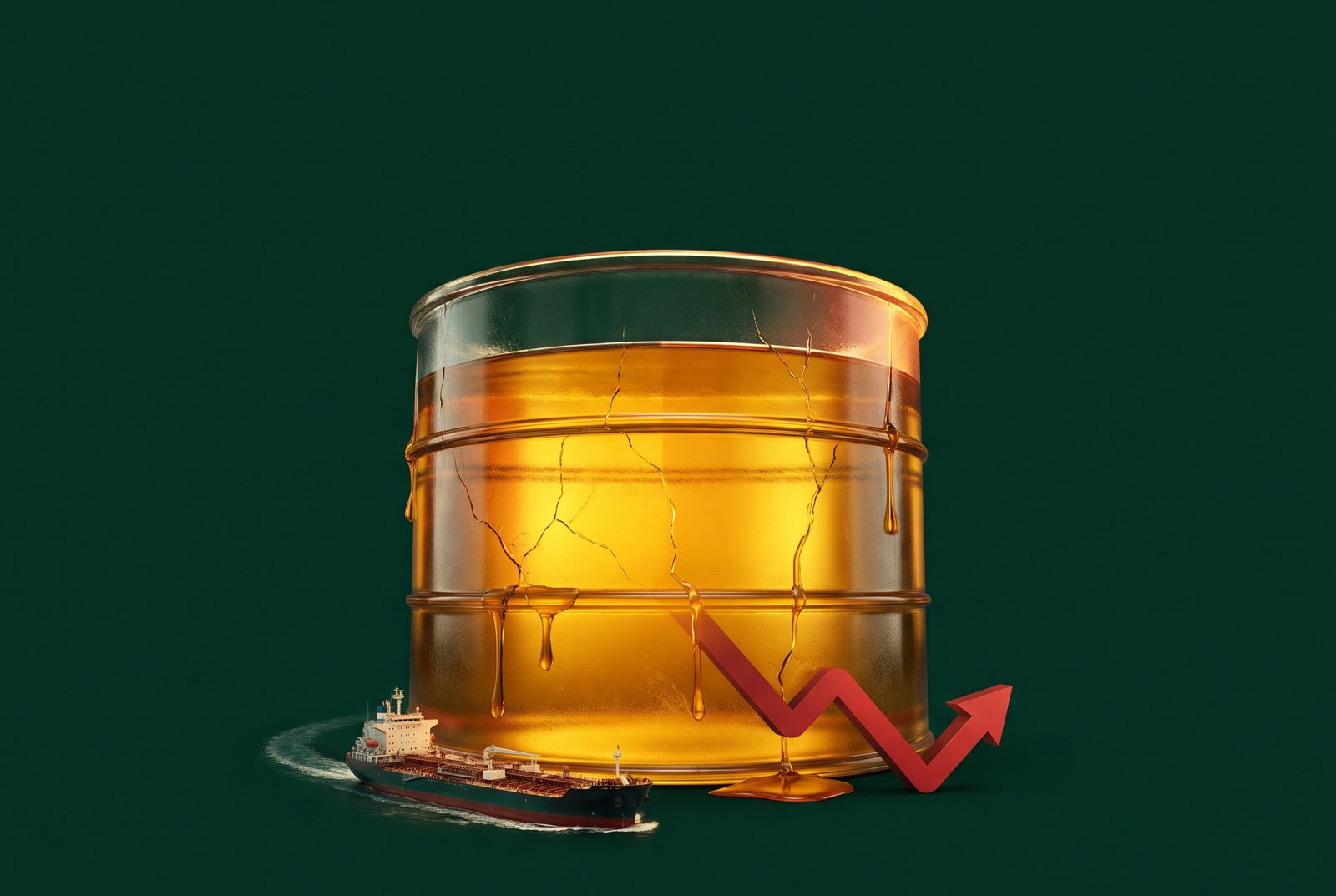
Key takeaway: Russian strikes on Ukrainian oilseed plants have shut an estimated 40% to 50% of the country's sunflower crushing capacity since 12 November. European sunflower oil prices rose about $60–65 a tonne in a single session while Ukrainian seed prices fell roughly 11% in a month. With Ukraine's oil output constrained, India's December–March sunflower supply leans harder on Russia, and the premium over palm oil is widening.
A big sunflower crop is sitting in Ukrainian silos with fewer places to go. On 12 November, Ukraine's largest sunflower oil producer and exporter shut all eight of its extraction plants and stopped buying seed, citing deliberate drone and missile strikes on food-processing sites. Within days, several other major crushers paused operations, some because of direct damage and others because of power cuts or the threat of further attacks. On 16 November a plant in Dnipro was hit for the third time this year.
Local trade estimates now put the idled share of Ukrainian sunflower crushing at between 40% and half. Ukroliyaprom, the vegetable oil producers' association, calls the stoppages precautionary and temporary. It also points out that domestic needs of 400,000–500,000 tonnes a year are less than a tenth of what the industry normally produces. That is reassuring for Ukrainian shoppers. It says nothing reassuring about exports, which is where more than 90% of the oil goes.
Why oil rose while seed fell
The price action shows what kind of shock this is. Nothing has happened to the crop. Ukraine had harvested about 10.7 million tonnes of sunflower seed from 91.6% of planned area by 10 November, at an average yield of 2.23 tonnes a hectare. The squeeze is in the processing step between field and tank.
So the two ends of the chain moved in opposite directions. Seed prices offered by major Ukrainian buyers fell about 11% over the past month, from roughly UAH 17,150 to UAH 15,300 a tonne, and some delivered bids slipped to around $290–310 a tonne excluding VAT. Farmers have fewer crushers to sell to, and more seed is now heading by road and river toward the Danube ports and buyers in Turkey, Romania and Bulgaria.
Oil went the other way. European port quotes for December–March delivery jumped about $60–65 a tonne in one session after the scale of the shutdowns became clear. Italian and Spanish buyers were the most aggressive, covering forward needs before the supply picture worsened.
That split widens the crush margin on paper for any plant that is still running. It does not matter much if the plant cannot run safely.
Russia's opening
The geopolitical subtext is hard to miss. USDA estimates show Russia overtook Ukraine as the world's largest sunflower oil exporter in 2025/26, shipping about 4.2 million tonnes against 4.04 million, the first time in roughly two decades that Ukraine lost the top spot. USDA forecasts had Ukraine reclaiming the lead in 2026/27 at around 5 million tonnes against 4.85 million for Russia, on the strength of a bigger crop.
A long crushing outage would erase that recovery. Every week of lost Ukrainian processing hands Russian exporters more pricing power in the destination markets they share: the EU, Turkey, the Middle East and, above all, India.
Some of the lost oil will be made up elsewhere. Seed exported to Turkey or the EU still gets crushed and the oil still reaches the market. But that route carries extra freight, export duties on seed and slower turnaround, and processors outside Ukraine have limited spare capacity at this point in the season.
The India consequence
India is the largest single buyer of sunflower oil, and it is buying more of it. Imports more than doubled in October to 223,778 tonnes, according to the Solvent Extractors' Association of India (SEA), as refiners restocked after the festival season. For the full 2025-26 oil year India took 2.85 million tonnes of sunflower oil, slightly below the 2.94 million of the previous year, with Black Sea disruption already a drag.
The latest trade reports show the gap that now matters. Russian sunflower oil was offered at around $1,460 a tonne for December, while Indian buyers were bidding about $1,420–1,425, and the two sides were not trading. Indian buyers are in no rush.
The reason they can wait is palm. Malaysian palm oil futures fell for a third straight session on 19 November, dropping more than 3% in early trade to about RM4,247 ($1,033) a tonne, weighed down by record October stocks of 3.62 million tonnes, softer early-November exports and weaker rival oils. On those numbers, sunflower oil now carries a premium of more than $400 a tonne over palm, a spread that tends to pull Indian refiners back toward palm and soyoil.
Our read is that India's sunflower share is likely to slip in December and January unless Ukrainian plants restart quickly. Buyers who need sunflower for regional retail brands will pay up for Russian cargoes. Price-sensitive volumes are likely to rotate into palm, which supports the Malaysian market at the margin even as stocks stay heavy.
What to watch
The main variable is how long the shutdowns last. A restart within two to three weeks would let Ukraine claw back much of its 2026/27 export programme from a large seed carryover. A shutdown that runs into January would lock in a sunflower oil risk premium through the first quarter of 2027 and leave Russia as the default supplier to India. Watch for plant restart announcements, any change to Ukraine's oilseed export duty (which Ukroliyaprom opposes scrapping), Russian FOB offers and SEA's November import data in mid-December.
This is market analysis, not investment advice.
GLOBOIL India 2027. Who supplies India's sunflower oil, and at what premium to palm, is exactly the kind of question that gets settled when origin sellers and Indian buyers sit in the same room. The 30th edition of GLOBOIL India, the world's leading edible oil and agri-trade conference, returns to The Westin Mumbai Powai Lake from 22 to 24 September 2027. Save the date: if your margins depend on the Black Sea, the palm belt and the Indian refinery gate, Mumbai is where next season's trade flows are first argued out.