India's Edible Oil Surge: Optimism, Import Woes, and Biofuel Balancing Act by Atul Chaturvedi
Welcome back to Globoil Post, your premier source for insights into the global edible oil and agri-trade industry.
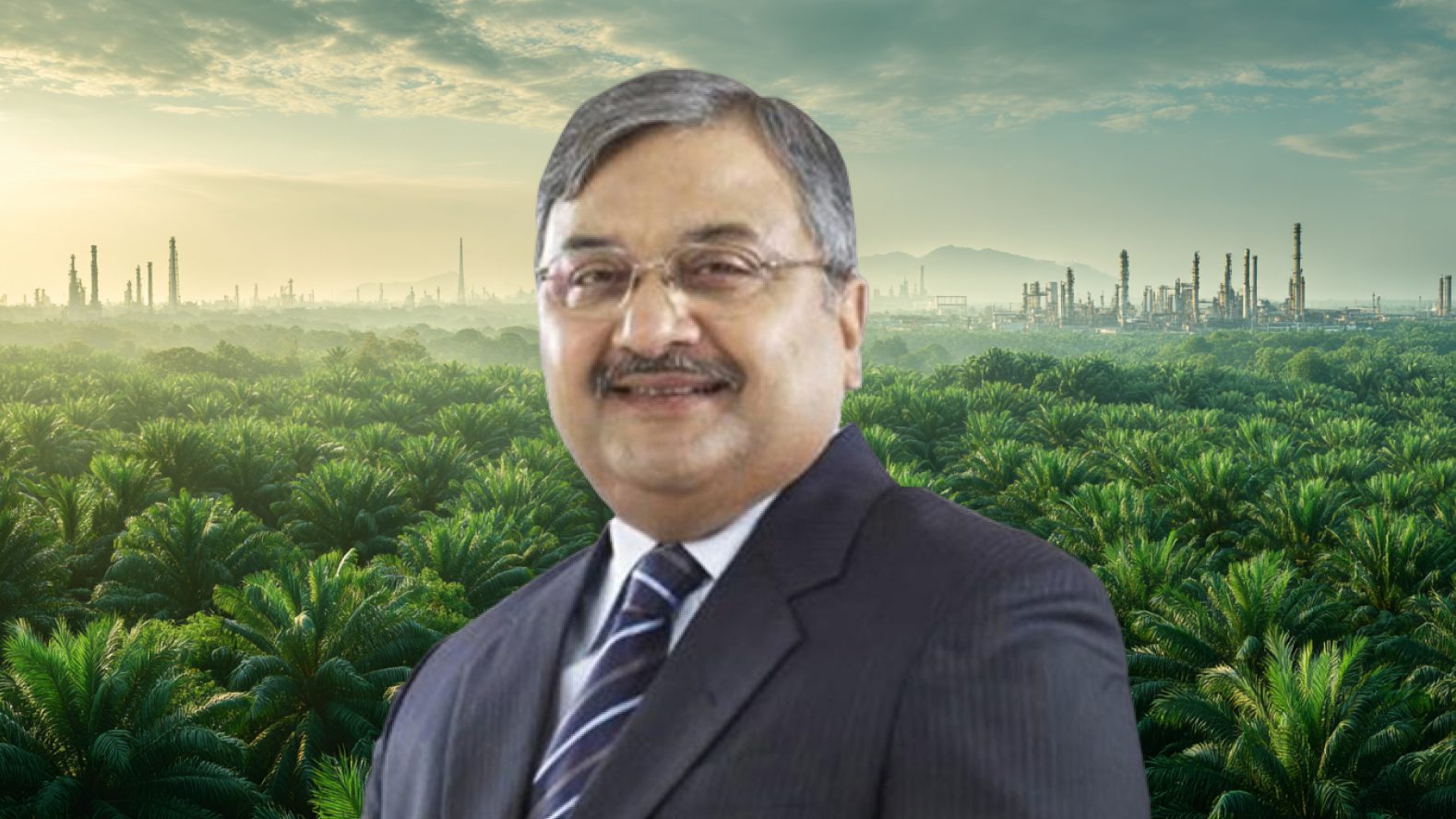
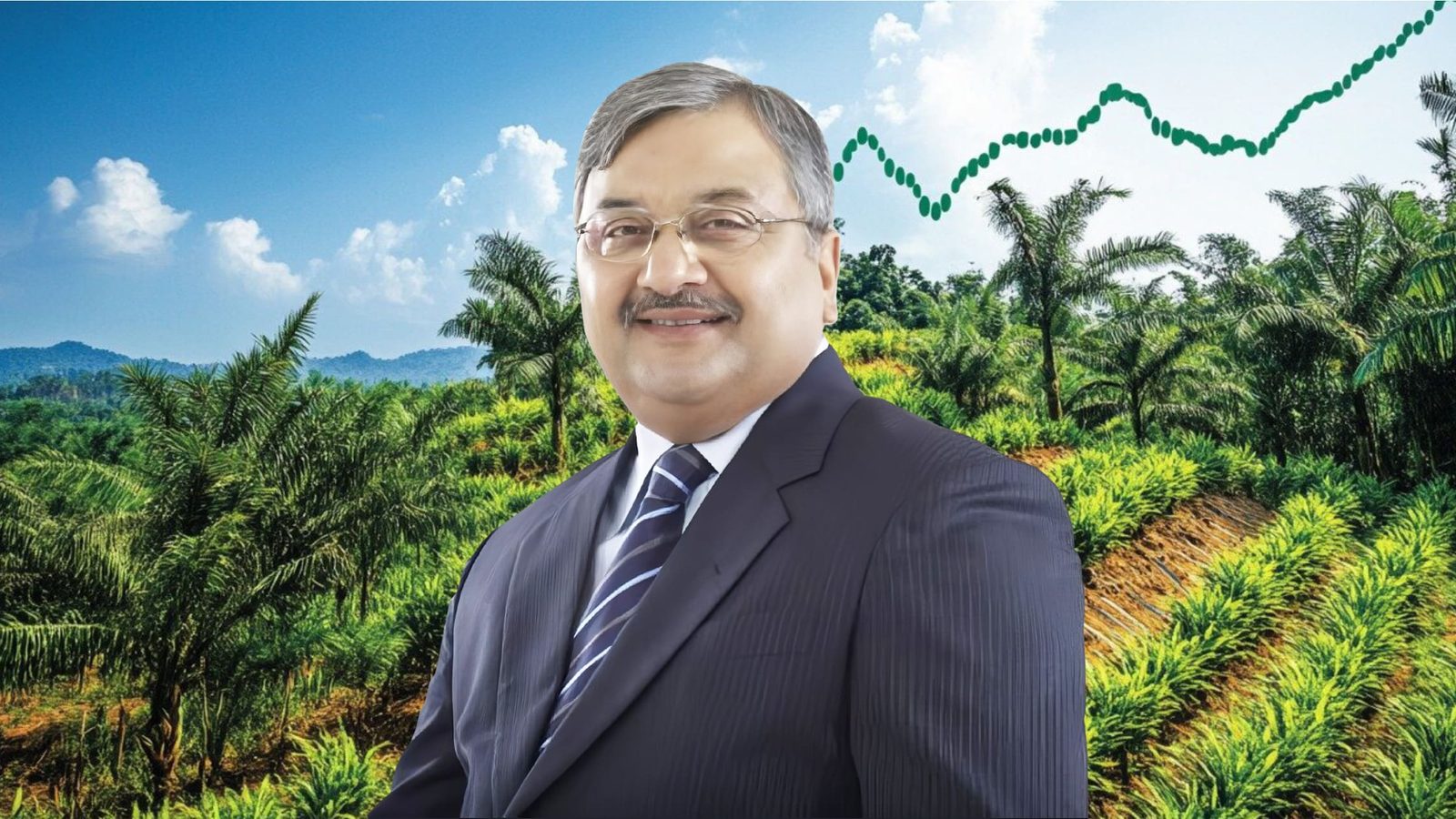
We are honored to present an article by Atul Chaturvedi, a veteran with over four decades of experience in the vegetable oil, oilseeds, sugar, and agro-commodities sectors. As Executive Chairman of Shree Renuka Sugars and Chairman of the Asian Palm Oil Alliance, Mr. Chaturvedi brings unparalleled expertise to his analysis. His strategic vision and deep market understanding have made him a respected voice in national and international forums. Recognized as the "Globoil Man of the Year-2013" and "Globoil Legend" in 2023, Mr. Chaturvedi continues to shape industry discourse as Chief Mentor for Globoil, offering invaluable insights with his forward-thinking approach.
India's edible oil imports reached unprecedented levels in July 2024, driven by significant palm oil purchases. What are the main factors contributing to this surge, and how do you anticipate these trends will evolve in the coming months?
Indian edible oil importers are ‘Incorrigible Optimists’. There is an old saying, “once bitten, twice shy,” which does not seem to apply to our importers who have been bitten umpteen times but end up committing the same mistake over and over again.
During the month of July, we imported edible oils in excess of 1.9 million tons, and palm oil happens to be around 1.1 million tons. Palm oil during this period was competitively priced vis-a-vis other soft oils and became the darling of importers. During summer months, consumption of palm oil also goes up, which gave the required confidence to edible oil players.
However, the single biggest reason for massive import (or dumping, as some would call it) was the anticipation that edible oil import duties would be significantly raised, which would help the bottom line of beleaguered importers. This did not happen as the Government of India continues to grapple with obstinate food inflation. The bottom line may bleed for some more time, it seems.
Having burnt their fingers, I feel Indian imports in the next few months would moderate and go back to normal levels of 1.6-1.7 million tons. A good spread of monsoon in oilseed growing areas also augurs well for the oilseed crop, bringing sanity to our markets.
The global edible oil market has been affected by various supply chain disruptions, leading to price surges. How are these global supply issues impacting the Indian edible oil market, and what strategies can be implemented to mitigate these effects?
Global edible oil supply chains have definitely faced many headwinds. The Ukraine-Russia never-ending war, freight getting tight with Middle East tensions, and Houthi attacks have all helped in queering the pitch in maintaining a smooth supply chain. However, to the credit of our resourceful edible oil players, these disturbances have not affected the flow of oil into our country.
Geopolitical disturbances are here to stay, and our importers have to remain nimble-footed to ensure a well-greased supply chain. With our dependence on imports of close to 60% of our consumption, we cannot afford any slippages.
The Indian government has set ambitious targets for ethanol blending as part of its National Policy on Biofuels. Given the shift in ethanol production from sugar to maize and rice, how effective have these policies been in driving the adoption of biofuels, and what further policy measures or incentives are needed to accelerate the growth of the biofuel sector?
In India, like in many other democracies, “Politics dictates Policies.” Encouraging ethanol from the sugar sector was a sound economic policy driven by our Hon. Prime Minister. However, the announcement of parliamentary elections, coupled with fears of lower sugar production at the back of apparently lower rainfall, drove decision-makers to ban the diversion of sugar cane juice into ethanol. The single agenda pushed was to produce more sugar and keep prices in check during the election period.
With cane juice ethanol banned, the target for achieving a blending ratio of 15% during the year could only be met via the rice and maize route. To make maize ethanol viable, the price of ethanol from maize was raised to Rs. 71.86 per liter, which is much higher than the price of cane juice and B Heavy ethanol.
The obvious thing happened, and maize prices went through the roof, making the poultry and starch sectors cry hoarse. The clamor for importing maize started, and I am given to understand imports have started. It looks like a misguided policy to import maize for the poultry sector and divert our own maize to ethanol by giving incentives.
Logically, countries should only divert food for fuel in which they are surplus. Palm oil in Indonesia/Malaysia, soya oil in Brazil, maize in the USA makes a lot of sense as it helps not only in liquidating the surpluses but also helps reduce carbon footprints by lowering fossil fuel usage. However, India is not surplus in maize, and it has the potential of seriously disturbing our supply chain for the poultry sector. It is important that a level playing field with a balanced approach, keeping in mind our long-term objectives, should be maintained between competing feedstock for ethanol. Niti Aayog's roadmap of achieving 20% blending by 2025-26 envisages 5.6 billion liters from sugar and 4.5 billion liters from the grain sector. We should maintain the sanctity of this roadmap as it would be a win-win situation for all concerned.
India is surplus in sugar, and we should divert the surplus to ethanol. This year's monsoon spread has been good, and we feel happy tidings for the sugar-based distilleries are around the corner. Needless to reiterate, India has more than sufficient stock of sugar, and there is no fear of runaway sugar inflation.
ALL THE BEST FOR OUR SIGNATURE EVENT - GLOBOIL 2024.