From Imports to Atmanirbharta: Aashish Acharya on Building a Resilient Oil Trade Strategy
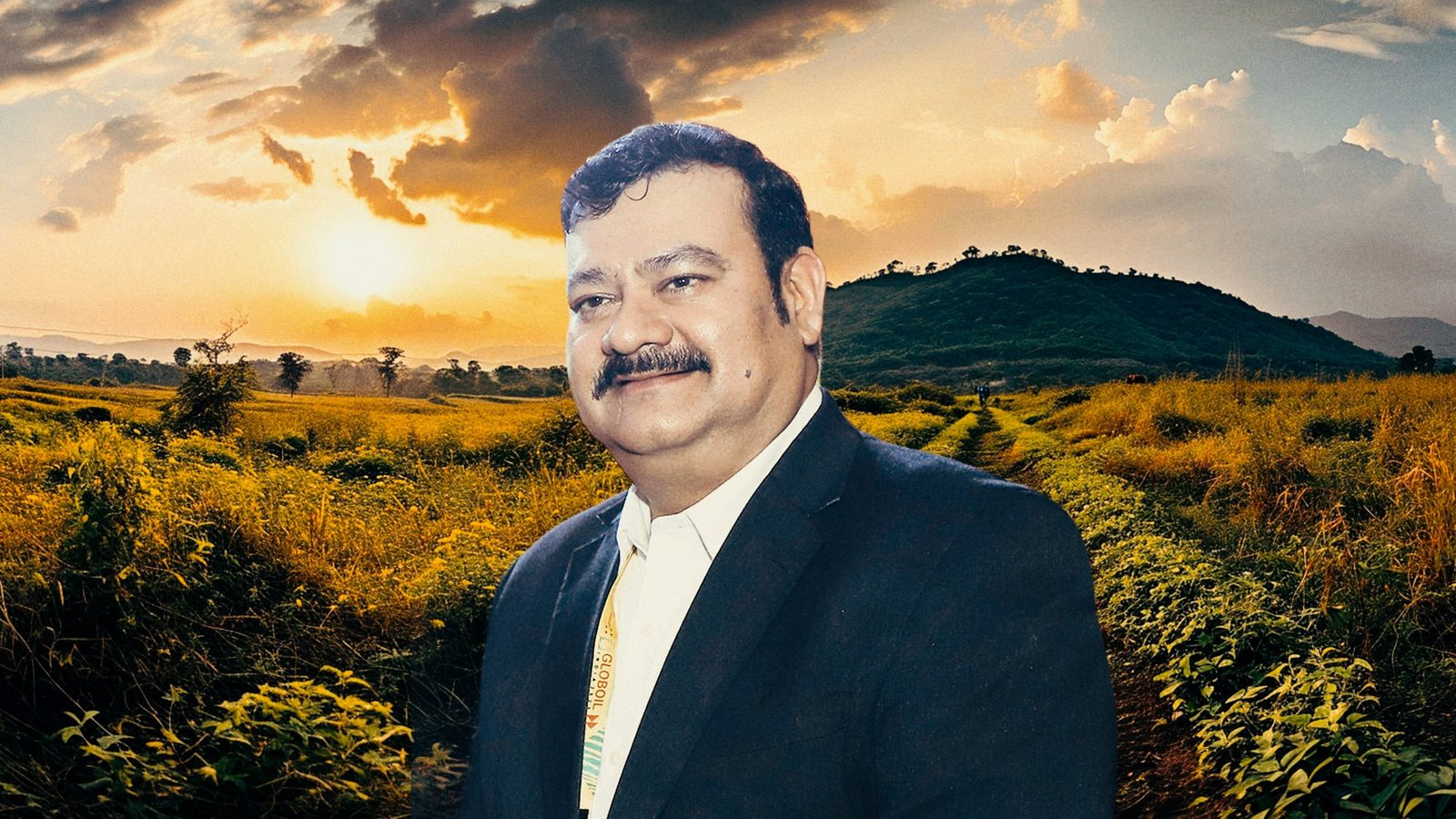
**In this interview, Aashish Acharya, Vice President – Head of the Global Trading Unit (Soft Oils) at Patanjali Foods Ltd, explains how the company is balancing its vast import needs with India’s push for self-reliance in edible oils. He outlines Patanjali’s long-term strategy of integrating global procurement with domestic capacity building, managing forex volatility and exploring future overseas investments to secure supply. **
- Patanjali Foods is one of India’s largest edible oil companies, with huge import requirements. How has the backing of Patanjali (with its vision of self-reliance) influenced your international trade strategy?
The strong backing of Patanjali group and its emphasis on Atmanirbharta (self-reliance) has significantly reshaped our domestic & international trade strategy at Patanjali Foods.
While we continue to engage with global markets to ensure competitive pricing and timely availability, our approach is shifting from purely opportunistic buying towards a more structured, integrated, and resilient supply chain strategy.
This includes:
-
Long-term procurement contracts with reliable global partners.
-
Exploring upstream investments, high yielding refining assets and value-added processing.
-
Expanding domestic capacity, both in processing infrastructure and by encouraging oilseed cultivation under initiatives such as the NMEO-OP.
We are already a pioneer having over 32% market share in oil palm plantations in India, with:
-
100,000 hectares under cultivation
-
50,000+ farmers engaged
-
5 processing mills with 1.4 million MT crushing/Milling capacity
-
3-5 more new mills planned in near future across Northeast and South India
Our vision is two-fold: to reduce volatility in supply chains and to ensure quality, traceability, and sustainability. Thus, our trade strategy today blends short-term agility with long-term resilience, aligning both with business priorities and the nation’s self-reliance agenda.
- With your experience, how do you approach origin selection for imports (Indonesia vs Malaysia for palm oil, Black Sea vs Argentina for sunflower oil, etc.)?
Origin selection is a strategic, multi-factor decision particularly in a dynamic often volatile global market, lately due to trade flow disturbances & tariff, it’s not just a price-based one. At Patanjali Foods, we follow a holistic, data-driven approach that balances commercial viability with supply reliability. When it comes to palm oil for example, we regularly assess the trade-offs between various origins namely Malaysia, Indonesia and availability of quality raw material form like Thailand, PNG and Latin America.
Key factors we assess include:
-
Policy & Trade Environment: Export levies (e.g., Indonesia) and port logistics efficiency.
-
Supply Reliability & Geopolitics: Especially for Black Sea sunflower oil, where risks of disruptions at red sea channel, potential logistical disruption OR force major events are being considered on a regular basis, despite competitive pricing.
-
Quality Specifications: Different origin offers variations in oil quality, Argentine sunflower oil differs slightly from Black Sea origins in color, FFA, and processing yields.
-
Credit Terms & Supplier Track Record: Reliability in documentation, risk sharing, and settlement flexibility are highly important.
-
Logistics & Voyage Time: Argentina’s 35–50 day voyages can offset cost advantages compared to the Black Sea’s 15–18-day voyages specially in tight market situations.
Ultimately, the guiding principle is clear our production assets-: the Right Product, at the Right Time, in the Right Quantity, and off course at the Right Price — achieved through continuous market monitoring and strong supplier relationships.
- Currency fluctuations heavily impact import costs. Do you hedge forex risks in large import deals?
Yes, forex risk management is a core part of our procurement strategy, given that imports are USD-denominated while sales are INR-based. Lately Currency volatility has gone up tremendously, despite economic growth, due to uncertainty in the global market. Our structured approach includes:
1. Natural Hedging: Matching USD purchases with INR sales to reduce open exposure.
2. Forward Contracts: Regularly locking in exchange rates for large deals to safeguard landed costs and stabilize pricing.
*3. Close Coordination: Procurement, treasury, and risk teams work closely to monitor INR-USD movements, macroeconomic indicators and central bank policies. *
- Patanjali Foods has ventured into backward integration like oil palm cultivation in India. While that’s domestic, do you foresee any scenario in the future where Indian companies might invest abroad for oil resources (similar to pulses or energy)? Or do you think in edible oils the focus will remain on developing within India and trading internationally as needed?
That is a very relevant and forward-looking question. At Patanjali Foods, we view backward integration — such as our extensive involvement in oil palm cultivation within India — as a critical pillar of long-term self-reliance and supply security.
However, given India’s scale of consumption and the structural gap in domestic oilseed production, we believe the future will require a hybrid strategy — one that combines:
Enhance Domestic cultivation & processing, under the National Mission on Edible Oils–Oil Palm (NMEO-OP), and National Oil Seed mission. Selective Strategic investments, particularly in upstream assets.
India’s edible oil demand is rising steadily at ~2–3% annually, consumption expected to increase from current ~25–26 million MT to 30–32 million MT in the next 5–6 years. Domestic production cannot fully keep pace with this growth, which means sourcing strategies will play a decisive role in global market dynamics.
In this context, overseas investments could serve as a strategic hedge — not to replace imports but to gain greater control over supply, quality, and pricing. For example, Indian companies could explore opportunities in - Latin America / Black Sea region (for sunflower and soybean oil), Southeast Asia, Thailand & Africa & Latin America (for palm oil plantations), often through partnership models that reduce risk while diversifying supply sources.
That said, the near to medium term priority will remain on scaling up India’s domestic oilseed production and processing efficiencies. International trading will continue to be critical, but over the long term, selective overseas footprints may well emerge as part of India’s edible oil supply chain security strategy — much like what we have seen in pulses or energy resources. In the current economic, geopolitical and market dynamics situations considering weather uncertainties, the Food VS Fuel debate is just about to heat up and will be critical in the future. Building up Veg oil strategic reserves in India like China could be an alternative solution for bringing stability in the supply chain and could play a role as shock absorber thus providing affordable price to the end consumers via market participation.
In conclusion, India today stands at the centre of the global edible oil trade — both as the world’s largest importer and as a nation with immense potential to transform into a hub of sustainable production, value addition, and innovation.
At Patanjali Foods, our vision is to contribute meaningfully to this transformation — by empowering farmers, building resilient supply chains, and creating secure, sustainable, and self-reliant pathways for India’s edible oil sector.
We believe that the journey ahead is not just about balancing imports with domestic production. It is about reshaping India’s role from being a price taker to becoming a price influencer in the global vegetable oil market. With the right mix of domestic investment, international partnerships, and policy support, India can redefine the future of world Veg. oil/Oil seed industry.
As we look forward, we see opportunities not only to strengthen food security and reduce import dependency but also to lead global conversations on sustainability, traceability, and responsible Agri-trade.
Globoil India, as a platform, exemplifies this spirit of collaboration and forward thinking. Together, industry, government, and global partners can unlock a future where India’s edible oil ecosystem is resilient, competitive, and truly Atmanirbhar.