Tight Oils, Loose Meals: The 2026/27 Divergence That Will Define the Crush
TL;DR: The world is heading into 2026/27 with a production deficit across the 17 major oils and fats, and one long-established independent forecaster expects it to force demand rationing and higher vegetable-oil prices. The mirror image is a glut of oilmeal, because the crush that produces the scarce oil also floods the market with protein. Biofuel is the reason, with its share of global oils and fats set to reach a record 22%.
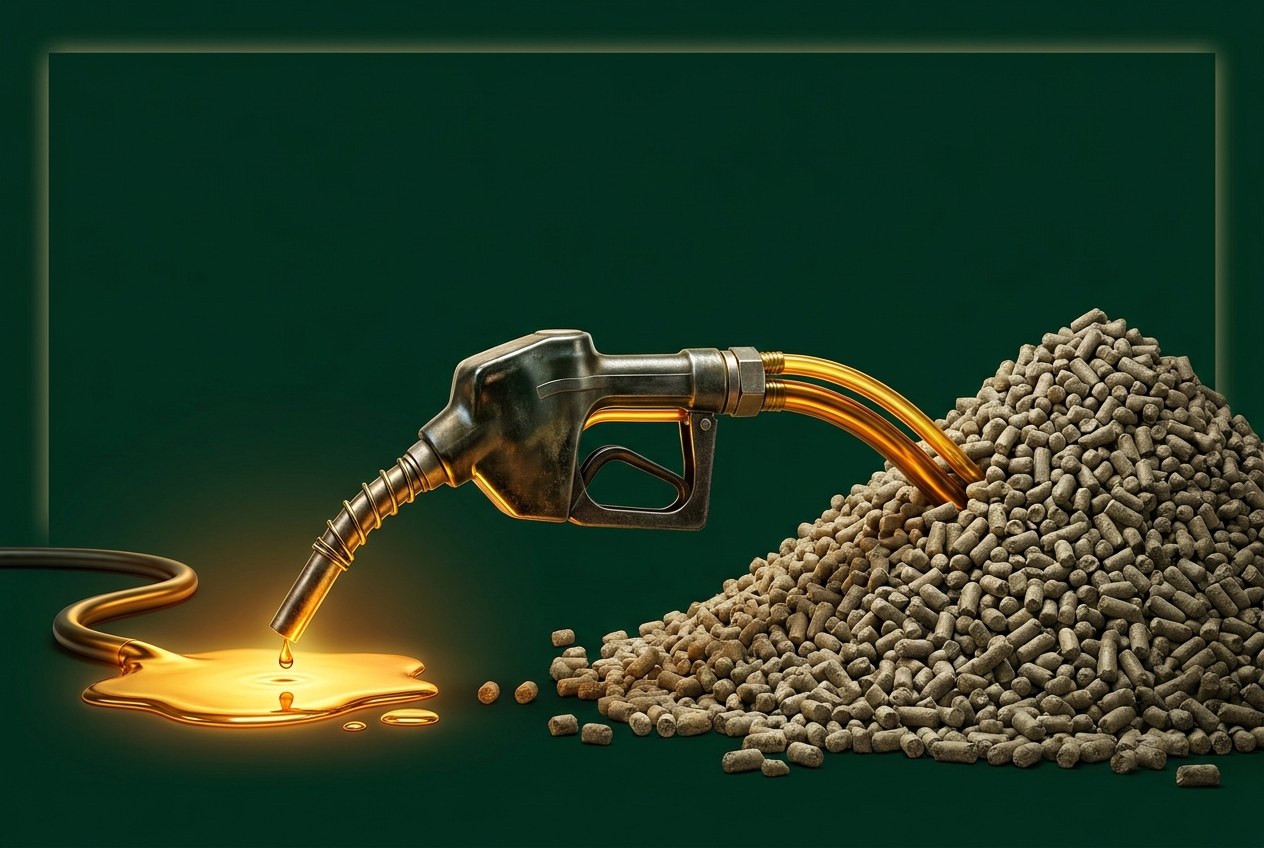
The soybean is about to be split down the middle: the oil scarce and expensive, the meal abundant and cheap, all because of the fuel pump
For anyone who trades an oilseed, the coming year sets up a genuinely unusual split, and it is worth understanding now rather than in October. The soybean, the rapeseed and the sunflower seed each yield two things when crushed: oil and meal. Normally those two products rise and fall roughly together with the crush. In 2026/27 they are set to pull hard in opposite directions. The oil is going to be tight. The meal is going to be loose. And the wedge driving them apart is energy policy.
Start with the oil side. Forecasters who model the global balance sheet see a deficit developing across the 17 oils and fats next season, the kind of shortfall that does not resolve itself through supply alone and instead has to be rationed through price. When a market cannot grow supply fast enough to meet demand, it rebuilds balance by making the product expensive enough that some buyers walk away. That is demand rationing, and it is a polite way of saying prices go up until enough people say no.
The fuel pump is the new swing buyer
The demand doing the damage is not coming from kitchens. It is coming from fuel tanks. Usage of the 17 oils and fats for biofuel is projected to climb toward 59 million tonnes, lifting the share of the world's oil and fat supply absorbed by the energy sector to a record 22%. More than one in five tonnes of the planet's oils and fats is now going into a fuel system rather than a food system. That is a structural change, not a seasonal one, and it puts a hard floor of demand under the entire complex.
The policy scaffolding behind it is now firmer than it has been in years. In the largest consuming market, the clean-fuel production credit that underpins renewable-diesel economics has been extended to the end of the decade and restricted to feedstock grown in North America. That combination locks in domestic demand and steers it toward home-grown oils. Renewable-fuel mandate volumes have been set at record levels. Together they convert what used to be a discretionary, margin-driven bid into something close to a standing order.
Why the meal goes the other way
Here is the part that catches people out. To pull all that oil into fuel, processors have to crush more seed, and crushing more seed produces more meal whether the market wants it or not. Meal is a joint product, a passenger on the oil's journey, and when the oil is the reason for the trip, the meal piles up at the destination.
The numbers make it concrete. In the United States, soybean oil going into biofuel is expected to jump toward 17.3 billion pounds in 2026/27 from around 14.8 billion the season before. To feed that, the official crush forecast rises to a record 2.655 billion bushels, some 70 million bushels above the prior record, with crush already running around 8% ahead of last year. All of that crushing throws off a mountain of soymeal. Domestic protein demand and record meal exports are absorbing a lot of it, but the sheer volume keeps meal well supplied and pressures its price even as the oil it came from grows scarce.
What it means for buyers and the India angle
For an edible-oil importer, this outlook is a warning to plan for a firmer, not softer, vegetable-oil market into next season, even after any near-term dips. The structural bid from biofuel does not disappear because palm stocks are heavy this month or Indian buying is quiet this week. It sits underneath the market and reasserts itself on every pullback. Buyers who treat 2026/27 weakness as a lasting trend rather than a window risk being caught when the deficit reasserts the floor.
The soyoil export math sharpens the point. As domestic biofuel takes a bigger slice of the American crush, less soybean oil is available for export, with official forecasts showing shipments roughly halving next season. A major origin quietly stepping back from the export market tightens the pool that price-sensitive importers rely on and hands more pricing power to the remaining sellers. For India, which balances a basket of palm, soy, sunflower and rapeseed, it argues for reading the spreads carefully and locking in value on the cheaper oils when the divergence opens a gap.
There is one silver lining worth naming. A world long on oilmeal is a world with cheaper protein for livestock, which flows through to feed costs and, eventually, to meat and dairy. The crush that makes cooking oil expensive is the same crush making animal feed affordable. It is a strange kind of balance, but it is the shape of the market that biofuel is building.
What to watch
- Crude oil price — the throttle on the whole story. If energy stays firm, the deficit and the divergence hold
- Renewable-diesel margin — the direct read on how hard biofuel bids for the oil
- US soyoil export forecasts — the cleanest signal of how much origin supply the world market actually loses
- Soymeal price versus feed demand — where the joint-product glut either finds a home or overwhelms it
For now, the direction of travel is clear: the oil goes up, the meal goes down, and the fuel pump decides how far.
The convening point
GLOBOIL India 2026 returns for its 29th edition from 29 September to 1 October 2026 at The Westin Mumbai Powai Lake. As the world's leading edible oil and agri-trade conference, it convenes exactly as the 2026/27 balance sheet comes into focus and the oil-versus-meal divergence begins to bite. For importers and processors trying to plan around a structural biofuel bid and a tightening oil supply, the intelligence exchanged in Mumbai is where a year-ahead view turns into this year's buying strategy. Registration is open.