The Exportable Surplus Is Getting Smaller
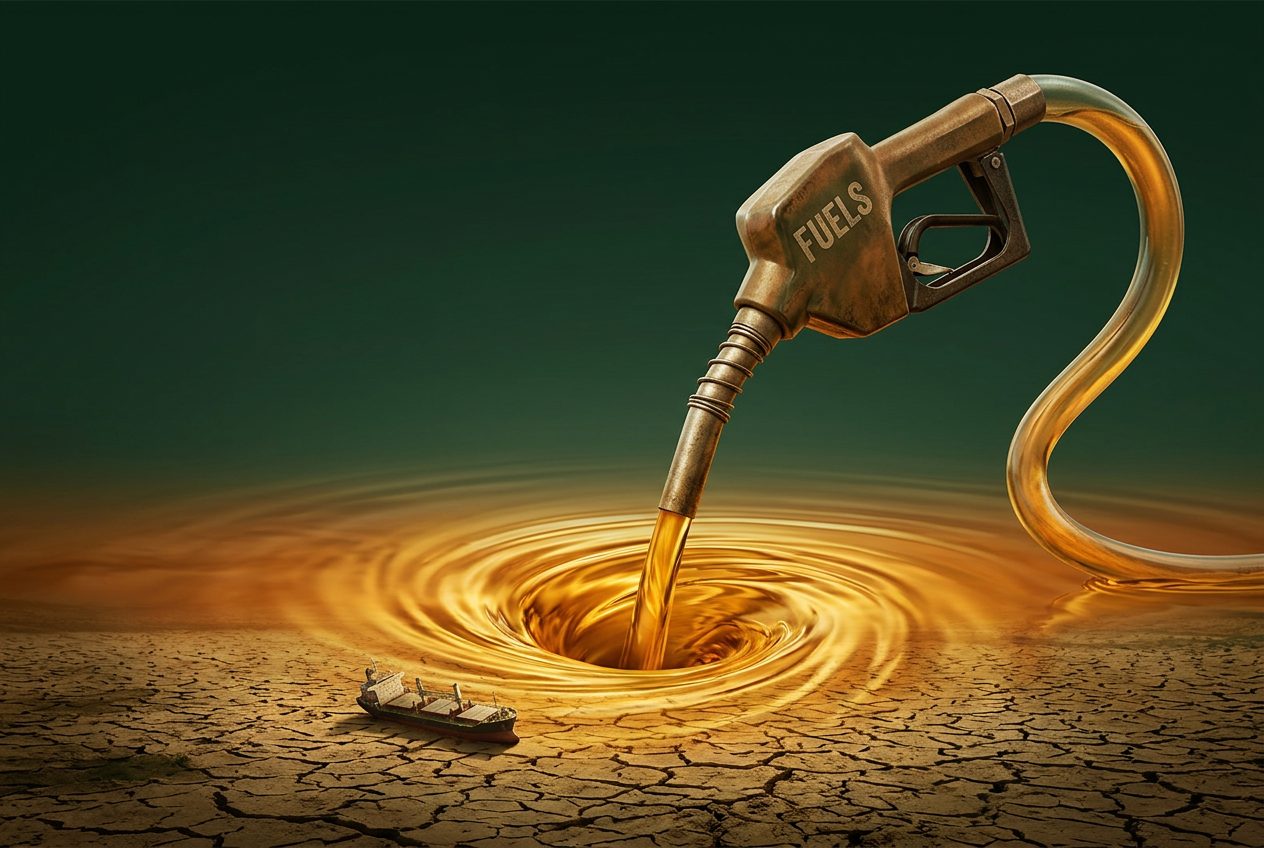
TL;DR: Statistics Indonesia (BPS) reported on 11 August that the export value of crude palm oil and derivatives rose 7.32% year on year in January–June 2026. Volumes tell the real story: shipments grew only about 2.5% to 11.28 million tonnes. With the B50 biodiesel mandate in force since July, the world's largest palm producer is redirecting a growing share of its crop into its own fuel tanks — and the exportable surplus that world markets rely on is tightening.
Indonesia's first-half palm export earnings grew 7.3% on price alone — B50 is quietly rewriting the world's supply arithmetic
The headline from Jakarta this week looked comfortable. Export earnings from crude palm oil and its derivatives climbed 7.32% in the first half of 2026 from a year earlier, BPS officials said, crediting stronger international prices. Palm remains one of the country's principal export engines.
Strip out price, though, and the engine is idling. First-half export volumes rose roughly 2.5% to 11.28 million tonnes, worth about $12.27 billion. A year ago, the comparable value growth rate was 24.8%. Indonesia is earning more per tonne while shipping barely more tonnes, and the reason is policy, not production.
Fifty percent of every litre
Indonesia's B50 mandate, which lifts the palm-based share of biodiesel from 40% to 50%, took effect in July. The Indonesian Palm Oil Association (GAPKI) estimates the step-up adds roughly 1.9 million tonnes of crude palm oil demand a year, taking total CPO consumption for biodiesel to around 14.6 million tonnes.
That is structural, not cyclical. Every tonne blended at home is a tonne that never reaches Dumai's export jetties. Diesel demand does not take festival holidays, and mandates do not respond to price the way discretionary food buyers do. The government's calculation is straightforward: palm-based fuel displaces imported diesel and keeps dollars onshore. The cost lands on the export ledger, and by extension on every importing nation that has built its food economy on Indonesian supply.
The India exposure
No buyer feels this shift more directly than India, which sources the bulk of its palm oil from Indonesia and Malaysia. Indian refiners took 733,000 tonnes of palm in July, up 50% month on month, as they restocked ahead of the festival season. That buying met a market in which the biggest supplier's surplus is flattening.
The near-term shock absorber is Malaysia. MPOB data this week showed Malaysian exports jumping 14.5% in July to 1.39 million tonnes, and some of that strength is Indonesian demand walking across the strait. But Malaysia's production ceiling is well understood, and its own biodiesel shipments are climbing. When the number-one producer diverts supply inward and the number-two producer is already running hard, the price floor for the entire vegetable oil complex moves up.
Analysts see the effect compounding rather than fading. Indonesia has signalled interest in pushing blends beyond B50 later in the decade. Each increment transfers export tonnage to the domestic energy account, and each transfer forces importers to bid harder for what remains — or to switch into soyoil and sunflower oil, dragging those markets up with palm.
What to watch
Three markers will show how fast the squeeze develops. Monthly BPS export volumes through the second half will reveal whether the July mandate start produces a visible step down in shipments. Indonesia's export levy take and any adjustment to it will signal how Jakarta wants to balance fiscal revenue against domestic fuel economics. And the palm–gasoil spread will decide whether blending at 50% stays affordable without heavier subsidy from the plantation fund.
For the trade, the working assumption has changed. Indonesian supply used to be the elastic part of the world vegetable oil balance. It is becoming the inelastic part. Import-dependent economies, India first among them, will spend the rest of this decade adjusting to that fact.
The collision between biofuel policy and food security is the defining theme of this cycle, and it will be front and centre at GLOBOIL India 2026 — the 29th edition of the world's leading edible oil and agri-trade conference, from 29 September to 1 October 2026 at The Westin Mumbai Powai Lake. If Indonesia's exportable surplus is shrinking, the room where India's refiners, traders and policymakers respond is this one. Register early.