India's Edible Oil Revolution — Can Bold Policies Slash Imports and Boost Domestic Growth?
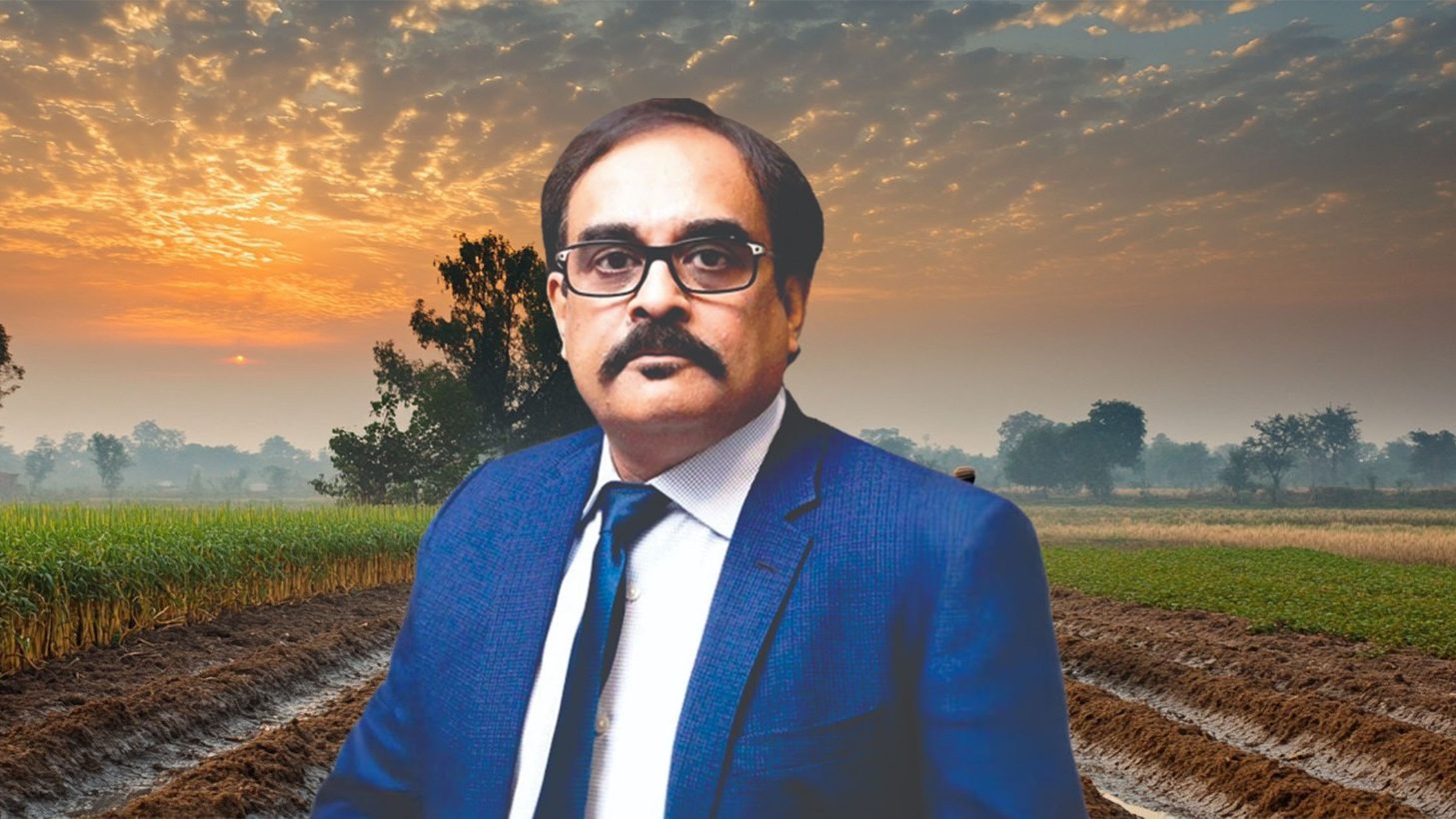
Welcome to the Globoil Post. In this edition, we present exclusive insights from Sudhakar Desai, CEO of Emami Agrotech Ltd and President of the Indian Vegetable Oil Producers' Association (IVPA). Mr. Desai delves into the critical policy measures essential for encouraging domestic production of vegetable oils and reducing India's heavy reliance on imports. He discusses how these policies can be aligned with sustainability and self-sufficiency goals, the role of industry collaboration, and the key drivers that could shape the future of the sector. If you're keen on understanding the transformative strategies that could redefine India's edible oil market, this article is a must-read.
1. As the Indian government continues to navigate the complexities of the vegetable oils market, what specific policy measures do you believe are essential to encourage domestic production and reduce dependency on imports? How can these policies be aligned with the goals of sustainability and self-sufficiency?
“With the constantly growing GDP, the food sector, and thereby edible oil consumption, is bound to increase, and India’s import dependency on imports has to be brought down to below 45% from the current 65% on a Mission Mode. India has about 20% of global oilseed acreage, contributing only 5% to world production due to low productivity. Our vision should be to double our productivity, which otherwise has been stagnant, especially in crops that are unique like Groundnut, Rapeseed, Rice Bran oil, etc. The most important factor in the National Mission on oilseeds has to be the Price Risk Management for the oilseed prices.
In the complex and volatile global environment of food and fuel demand for edible oils, the specific measures to be taken by India are:
-
Reduce import dependency* through the National Mission on Oilseeds by providing the most remunerative prices for the farmers through the right budgetary allocations for the sector, starting with crop diversification, hybrid seeds, microfinancing, irrigation, and strengthening the Fair Remunerative Price mechanism.*
-
Introduce a dynamic duty mechanism* wherein the Indian duty structure can be adjusted timely to global volatilities to achieve the right balance between the Minimum Support Price on one hand and the right price for consumers for edible oils, but also for the indirect and allied sectors like cattle feed, poultry, aqua, bakery, etc., which thrive on the right raw material prices in the food sector. It is a great opportunity and a challenge to manage all segments.*
-
Productivity increase* is a must, and among various measures, the introduction of GM and hybrid varieties, subject to final clearances by the technical committee, can contribute in a big way to making Indian oilseed cultivation more competitive.*
-
Sustainable standards for profitable growth* by establishing the right agricultural practices for economic, social, and environmental sustainable standards, and we need India’s own sustainability standards given the specific nature and construct of Indian agriculture.”*
2. In your view, what role should the vegetable oils industry play in advocating for and shaping government policies, particularly in areas like import duties, support for oilseed farmers, and investment in technological advancements? What collaborative efforts between the government and the industry do you see as most crucial for driving growth?
“Formation of a task force of Indian industry associations of oil, oilseeds, and allied sectors like poultry, cattle feed, and aqua and industry experts for course corrections of policies and periodical review is a must. In the current dynamic market environment, stable policy directives are a must for capital infusion.
For the mission mentioned above, it is most important for the industry and all other stakeholders to come together to involve in a few critical factors for success:
-
Capital infusion by the industry
-
Implementation of government support for the first five years
-
Adaptation of a dynamic duty structure
-
Machinery for achieving the state and crop-wise goals
-
Involving the right agri-tech companies for automation and technology adaptation into the sector, including access and analytics of the big data of soil and precision agriculture
-
Research and development for hybrid seeds and reduction in the post-harvest losses, introduction of a direct bank credit mechanism for the most efficient implementation of government support for oilseed farmers etc. are some of the most critical and comprehensive high-impact areas.”
3. What are your ideas on the short-term and long-term key drivers of prices across all segments of the vegetable oil sector, and what are the opportunities for India?
„In the short term, we have a situation where palm supply is tight, and soya oil from the USA and Argentina requires some demand as the crop is good. Global sunflower oil from new crops in Ukraine and Russia is around the corner. Currently, the prices of all these key oils are similar. The government has done a good job defending the Mustard MSP; however, Indian soybean prices are currently below MSP.
In the short term, India can increase the duty differential between crude oils and refined oils to about 15% from the current 7.5%, which will encourage more crude oil imports. This will not only boost the domestic vegetable oil industry’s capacity utilization but also generate enough by-products of palm oil for the fats, biodiesel, and oleochemical industries. According to the dynamic duty slab proposals, at the current global prices and given domestic oilseed prices, there is some rationale to increase the absolute duties by about 5-6%. However, we also need to support the export of soybean meal and other oilseed cakes like mustard cake and de-oiled rice bran, as meal exports could face disparities unless global soybean prices increase in tandem. Indonesian levy reduction, potential duty increases, U.S. Fed cuts, and global sunflower farmer selling intentions are key drivers to watch.
In the longer term, globally, mandates for renewable diesel are increasing, and global vegetable oil supply will not be abundant enough to cater to both the food and fuel sectors. Global production of the four key oils—palm, soybean, sunflower, and rapeseed—stands at about 205 million tons, with about 60 million tons going into renewable diesel production worldwide, especially in Indonesia, the USA, and the EU. This is a large number, and every destination market will need to look inward to boost domestic oilseed growth to contain food inflation, where edible oil plays a major role.
With India’s Oilseed Mission, over the next 10 years, India could potentially grow surpluses of unique oils like mustard, groundnut, rice bran, and sesame oil, not only for domestic consumption but also for export markets. We need to target reducing our import dependency to below 45% from the current 65%, with a holistic approach as mentioned in point one above.
In the longer run, Indian oilseed crops have to become more competitive in global markets. Although this mission may seem tough, nothing is impossible given the current focus, resources, and the high stakes India has in the agriculture sector, particularly in the oilseeds sector.”